Home Renovation

How to Choose Luxury Interior Materials for Singapore Homes

BY
DreamR Design Team
|
August 14, 2026
|
 min. read

How to Choose Luxury Interior Materials for Singapore Homes

To choose luxury interior materials for a Singapore home, look beyond price or prestigious names. Consider the character and quality of the actual material, where it will have the greatest effect and how craftsmanship will shape the finished result.

You do not need to understand every technical detail, but knowing what to inspect and what to discuss with your design team will help you choose materials that feel refined, perform well and suit your home.

Step 1: Decide What Luxury Means to You

Luxury does not have to be dramatic. For some, it lies in the natural movement of stone or the depth of hand-finished timber. For others, it comes through restrained surfaces, finely made details and materials that reveal more of their character over time.

Think about the qualities you respond to most. You may appreciate natural variation and materials selected specifically for your home. Perhaps tactile richness matters more, such as the feel of a fabric, the weight of a handle or the softness of a honed surface. You may also be drawn to precise custom craftsmanship, where every detail feels carefully resolved.

This is not the same as choosing an interior style. It is about deciding what the materials should contribute to your experience of the home.

A refined interior might bring together softly veined stone, consistent timber grain and muted metal. A more expressive one may have room for distinctive marble or richly figured veneer. Both can feel luxurious when the materials are chosen with purpose and used with care.
Step 2: Choose Where Exceptional Materials Will Matter Most

Using premium finishes everywhere rarely makes a home feel more considered. In many cases, the opposite happens: there is so much to look at that none of the materials has room to make an impression.

It is more useful to identify a few places where their character can be fully appreciated.

A kitchen island, for example, may be large enough to reveal the movement of natural stone. Full-height joinery gives timber grain space to form a composition. At the entrance, a specialist wall finish can establish the mood of the home without needing to appear in every room.

Smaller details can carry their own kind of luxury. A custom handle is experienced through touch. A metal screen is appreciated through its proportions and the way it filters light. Fine curtains reveal their quality in the way they fall rather than through an obvious decorative statement.

The question is not where an expensive material can be added. It is where the material will have enough presence to justify being exceptional.

Step 3: Look Beyond Prestigious Names

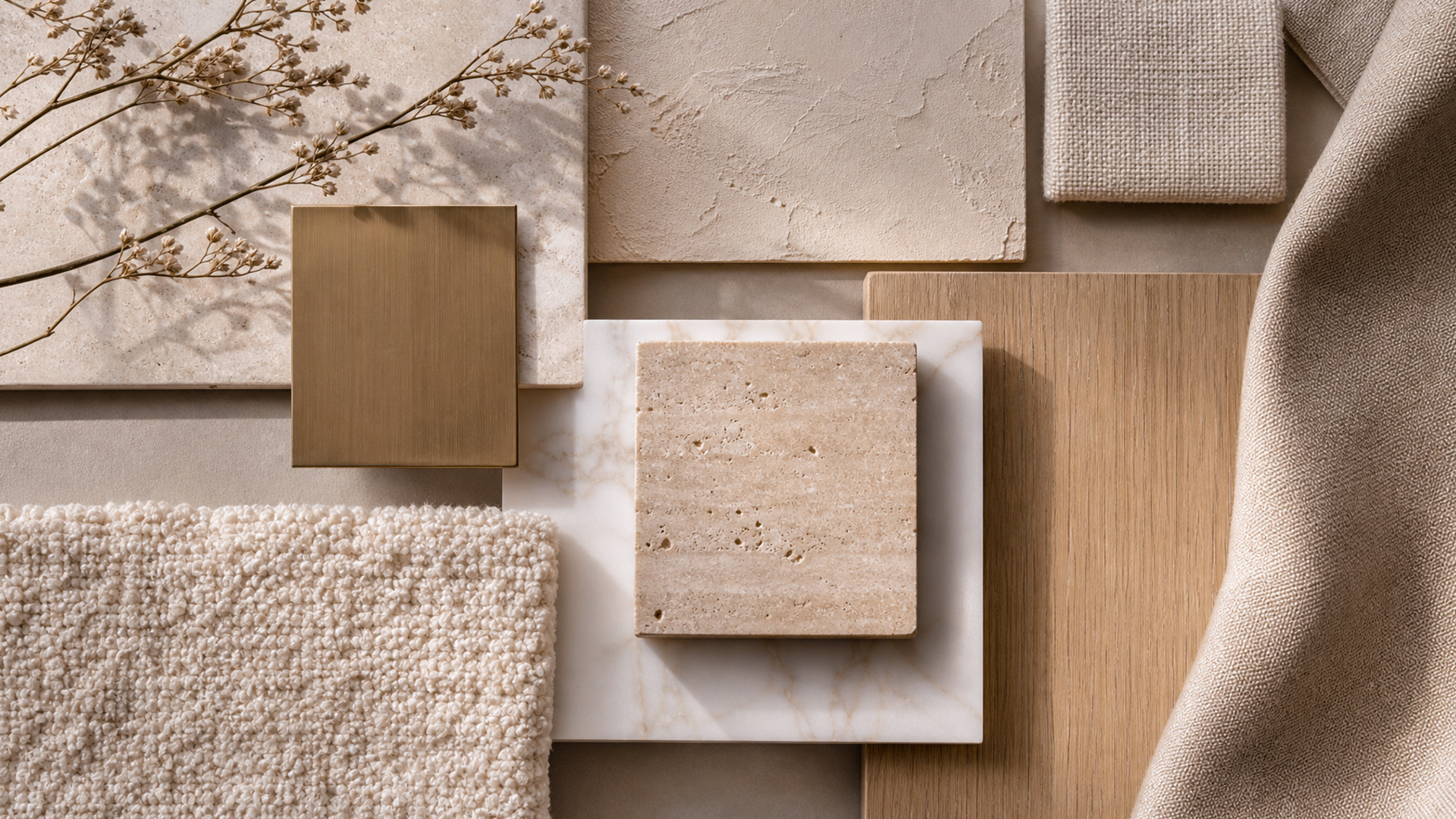
Certain names carry an immediate sense of status. Carrara marble, walnut, silk and brass are familiar examples. But a recognised name is only a starting point.

Two slabs sold under the same stone name can look very different. One may have graceful, balanced movement; another may feel flat or visually unsettled. Walnut can range from straight-grained and consistent to highly figured. Silk may be finely woven and beautifully weighted, or entirely wrong for the way a particular room will be used.

When a material is presented as premium, look at what makes that particular example special. It could be the clarity of its colour, the quality of the grain or the method used to finish it. In other cases, its value lies in being individually selected rather than supplied as a standard product.

There is no need to be swayed by rarity for its own sake. A lesser-known stone with beautiful movement may suit the home far better than a famous marble chosen mainly for its name.

Step 4: See the Material at the Right Scale

Small samples are useful, but they can also be misleading.

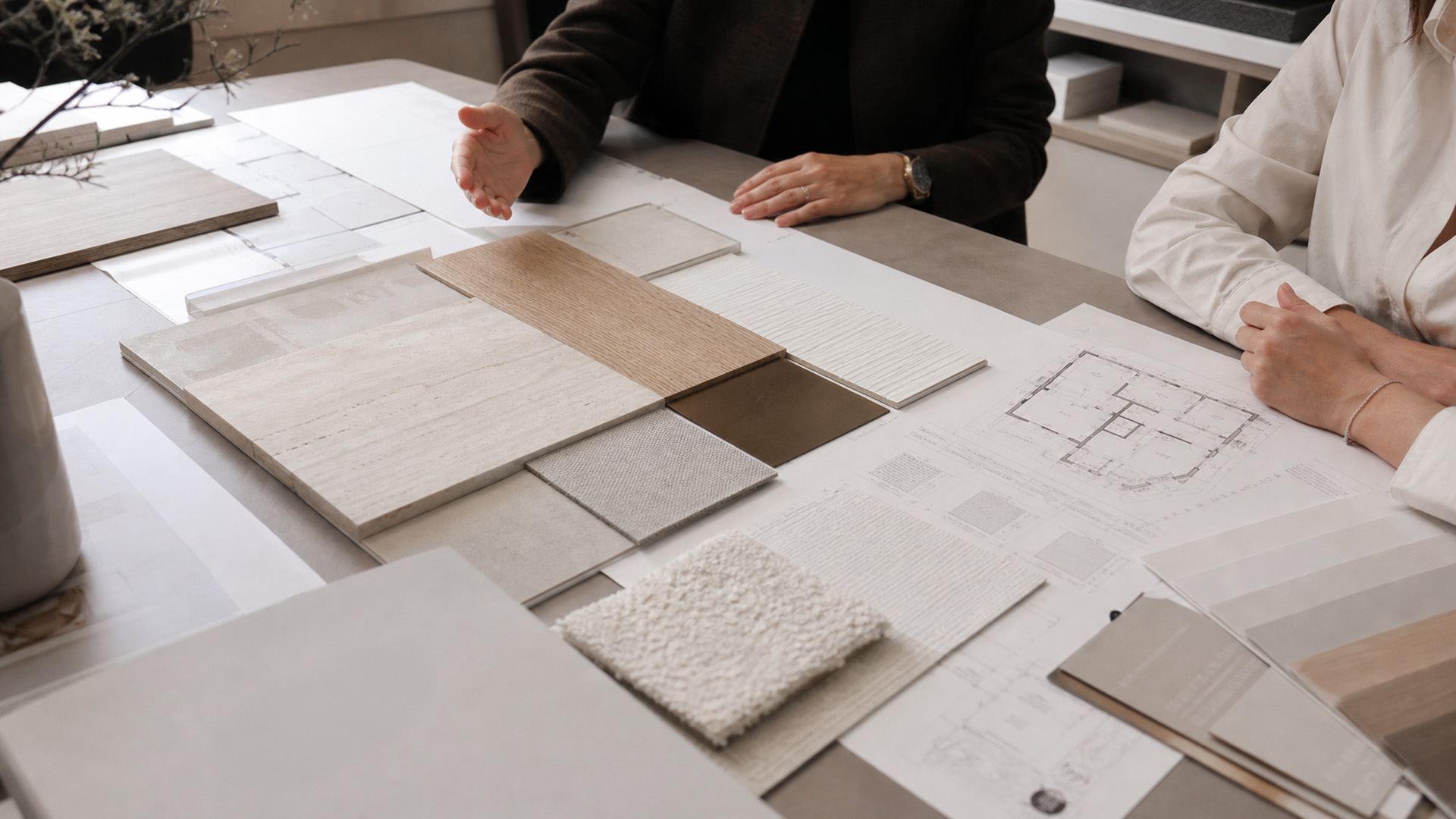
A piece of stone small enough to hold in your hand cannot show the movement of an entire slab. A timber chip says little about how the grain will run across a wall of cabinetry. Fabric may feel completely different once it is pleated or upholstered. Hand-applied plaster needs space before its tonal variation becomes visible.

For an important stone surface, view the actual slab where possible. Stand back from it. Look at the whole composition rather than focusing only on one attractive section.
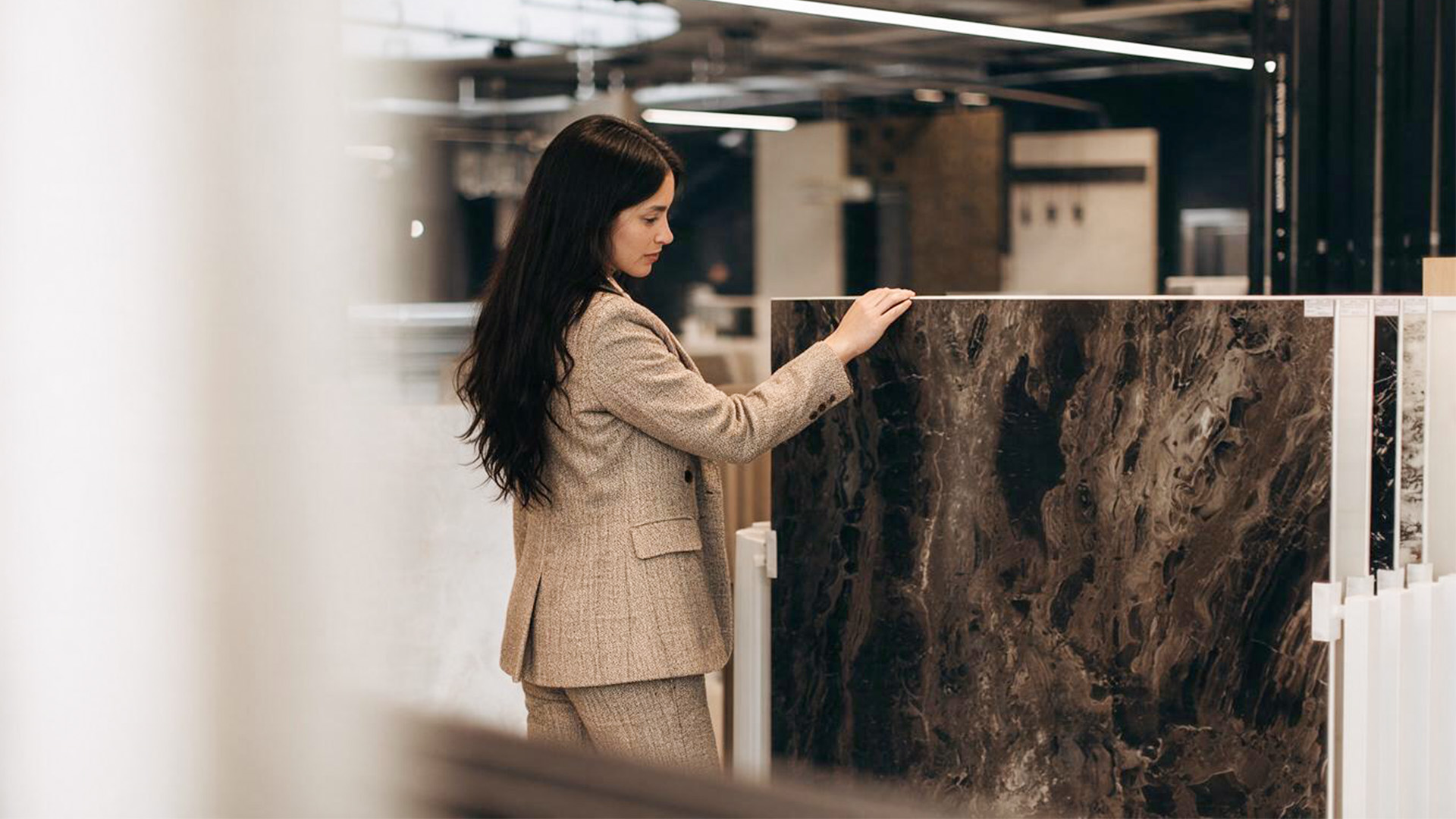
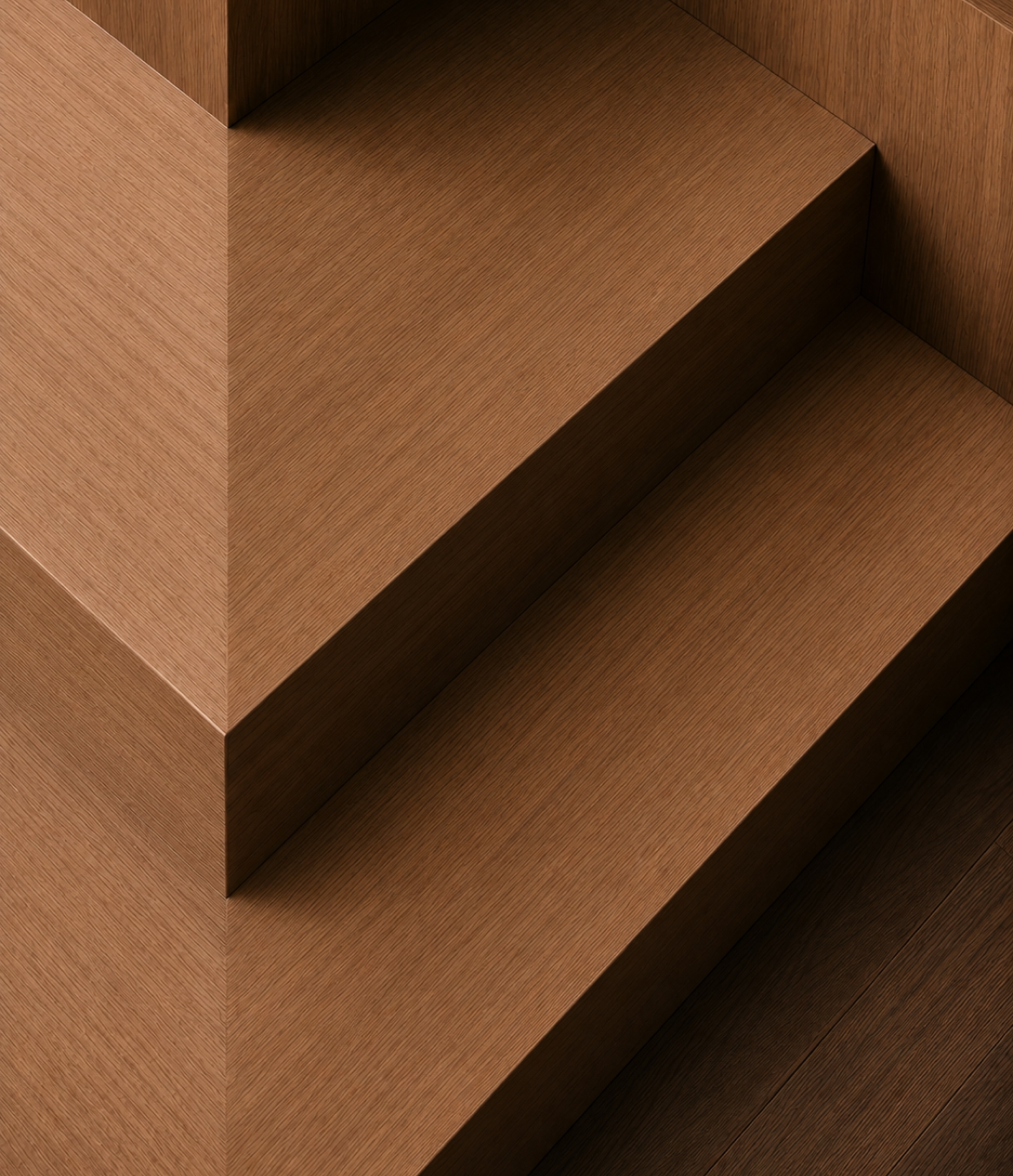
With bespoke timberwork, review a finished sample that includes the intended stain and sheen. It is also worth seeing how the grain will run across the larger piece of joinery. For curtains or upholstery, a generous fabric sample will tell you far more than a small swatch.

Specialist wall finishes deserve a larger mock-up, ideally prepared by the person who will complete the final work. The colour may be right, but the amount of movement or sheen can still differ from what you imagined.

Your designer should guide you through what can be controlled and what belongs to the natural character of the material.

Step 5: Understand Where Craftsmanship Makes the Difference
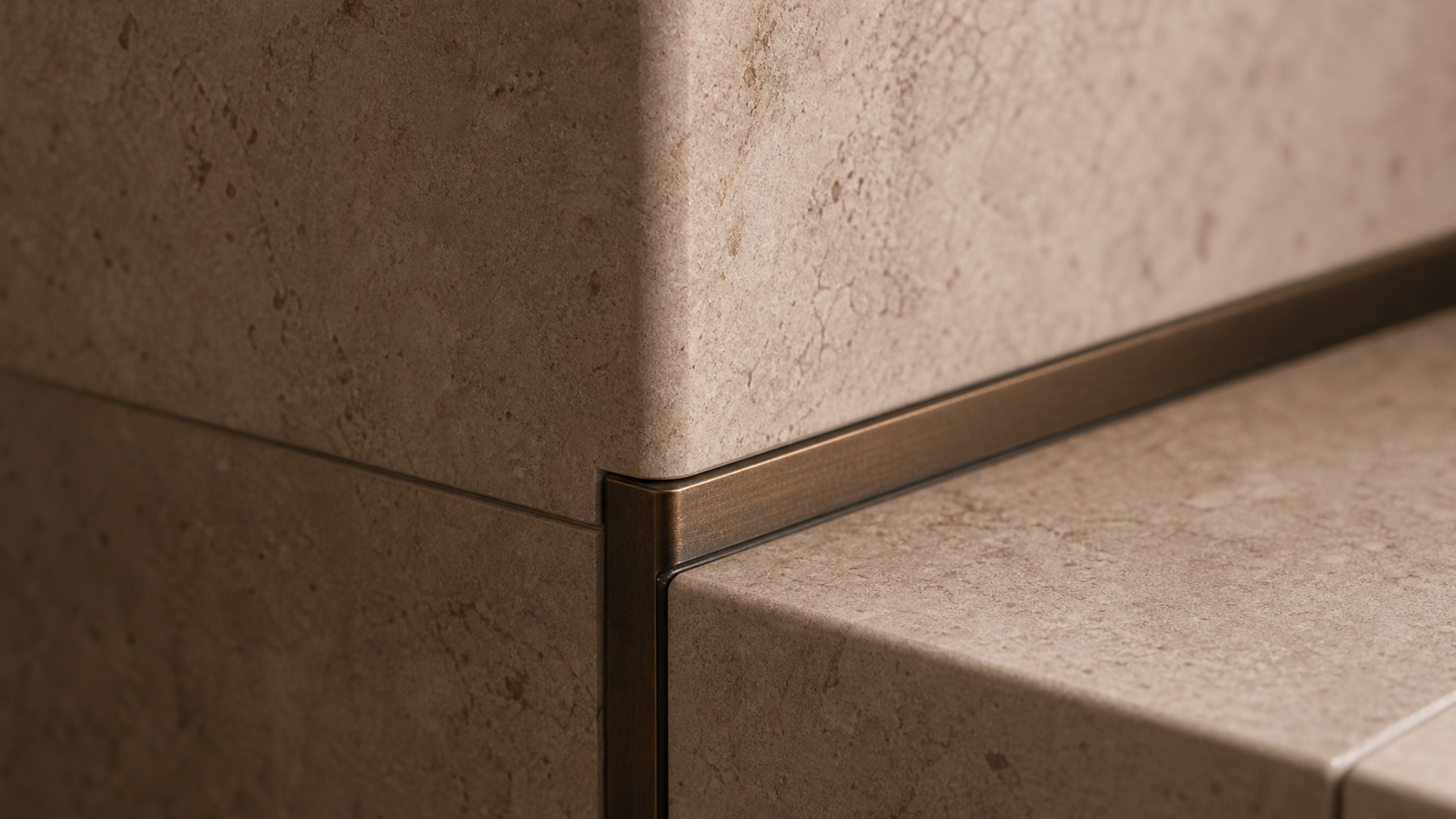
Many luxury materials are not complete when they leave the supplier. Their quality comes into focus only after they have been cut, joined, matched or applied.

With natural stone, the veins may be arranged to continue from one surface to another. On a kitchen island, this could mean considering the top and sides as one composition rather than separate pieces.

Timber veneer can be laid out so that the grain flows across several cabinet doors. Metalwork may be shaped and finished specifically for one detail. Even curtains rely on careful fabrication to achieve the right fullness and drape.

These decisions may sound highly technical, but you do not need to make them yourself. What matters is seeing how they affect the result.

A simple drawing can show where the main stone veins will appear. A joinery elevation can indicate how timber grain will continue across the panels. A physical sample may be useful for an important stone edge, metal junction or specialist finish.

This is often where the value of a luxury material becomes most apparent, not in the sample itself but in what skilled hands are able to do with it.

Step 6: Know What the Material Really Is

Descriptions such as “brass finish”, “timber finish” and “marble surface” can cover several different products.

A brass finish may be solid brass, a plated metal or a brass-coloured coating. A timber surface could be solid wood, natural veneer or a printed wood effect. A marble-look slab may be an engineered surface rather than natural stone.

This does not mean that engineered or coated materials have no place in a luxury home. They can offer consistency, stability or easier maintenance in areas where those qualities matter. The important thing is to understand what you are approving and why it has been chosen.

If natural character is central to the design, a printed imitation may not provide the same depth. If easy care and colour consistency are more important in a particular area, an engineered option could be the more sensible choice.

Clear descriptions allow you to judge the material on its actual qualities, not on the impression created by its name.

Step 7: Build the Interior Around a Few Strong Choices

Once you have selected the principal materials, the next challenge is knowing when to stop.

Materials with strong movement, depth or individuality can compete when too many are used together, leaving the room feeling visually unsettled.

If a dramatically veined stone is the focus, more restrained timber may give it the space it needs. Where joinery has a rich, noticeable grain, simpler flooring and wall finishes can provide balance. A softly textured plaster wall may not need reflective metalwork competing with it.

This does not mean the rest of the palette should feel plain. Supporting materials can still have beautiful texture and quality. They simply do not all need to announce themselves at once.

A small amount of repetition can then connect different parts of the home. Metal used for a feature screen might return in selected handles. The stone chosen for the kitchen may appear again as a shelf or vanity detail. Timber from the living area could continue into a more restrained, private room.

The effect should feel familiar rather than repetitive.

Step 8: Look at the Materials in the Home
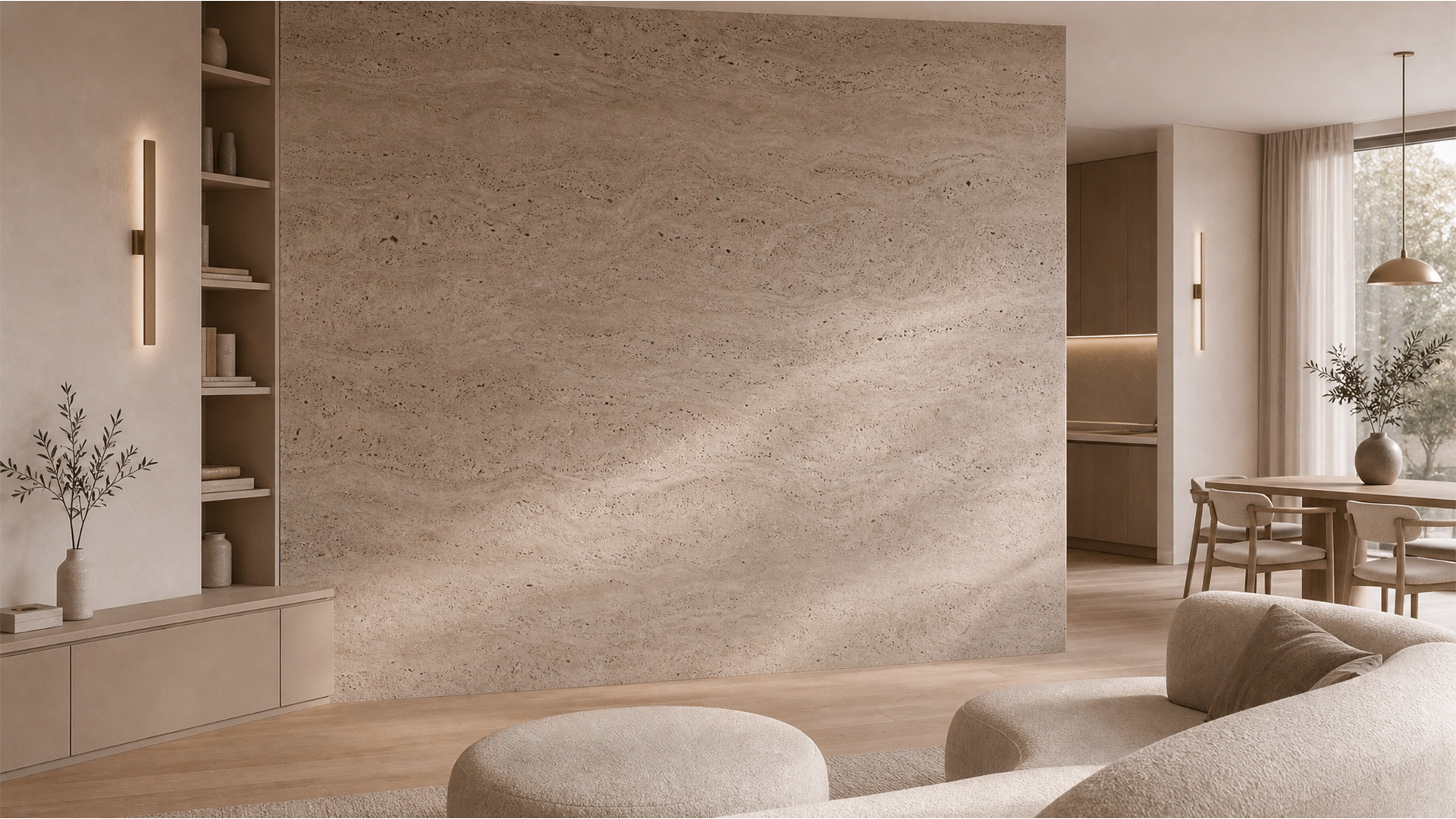
Showroom lighting can be flattering, but it does not tell you exactly how a material will look in your home.

Daylight may draw out a cool undertone in stone that was less obvious indoors. Timber can appear warmer under evening light. Metal reflects nearby colours, while polished surfaces pick up movement from the room around them.

Whenever possible, place the shortlisted materials together in the space where they will be used. Look at them during the day and again under artificial lighting.

This is particularly helpful when several finishes sit within a similar colour range. A pale stone may lean grey while the timber beside it has a yellow undertone. Both can be attractive on their own yet uncomfortable together.

You are not looking for everything to match. You are looking for a relationship that feels natural and balanced.

Step 9: Make Sure the Specification Works in Singapore

A luxury material earns its place when it remains beautiful and practical while supporting a healthier interior long after the first impression.

Singapore’s humidity does not rule out natural stone, timber, metal or specialist finishes. It does, however, affect how they should be constructed, protected and installed.

The questions will depend on the material. Will the selected timber construction remain stable? Is the stone suitable for a bathroom or other wet area? Will the metal develop an attractive patina or show signs of deterioration? Can the textile withstand strong daylight? Is a specialist wall finish appropriate for the existing surface?

When considering materials for Singapore humidity, broad descriptions such as “moisture-resistant” are not enough. Suitability depends on the precise material, where it will be used and how it will be installed.

It is also worth finding out how the finish can be maintained. If damage occurs several years later, can it be repaired or refinished locally? Will a specialist contractor be needed? Could retaining spare stone, tiles or fabric make future repairs easier?

Your design and build team should confirm these requirements and explain how they affect the final specification.
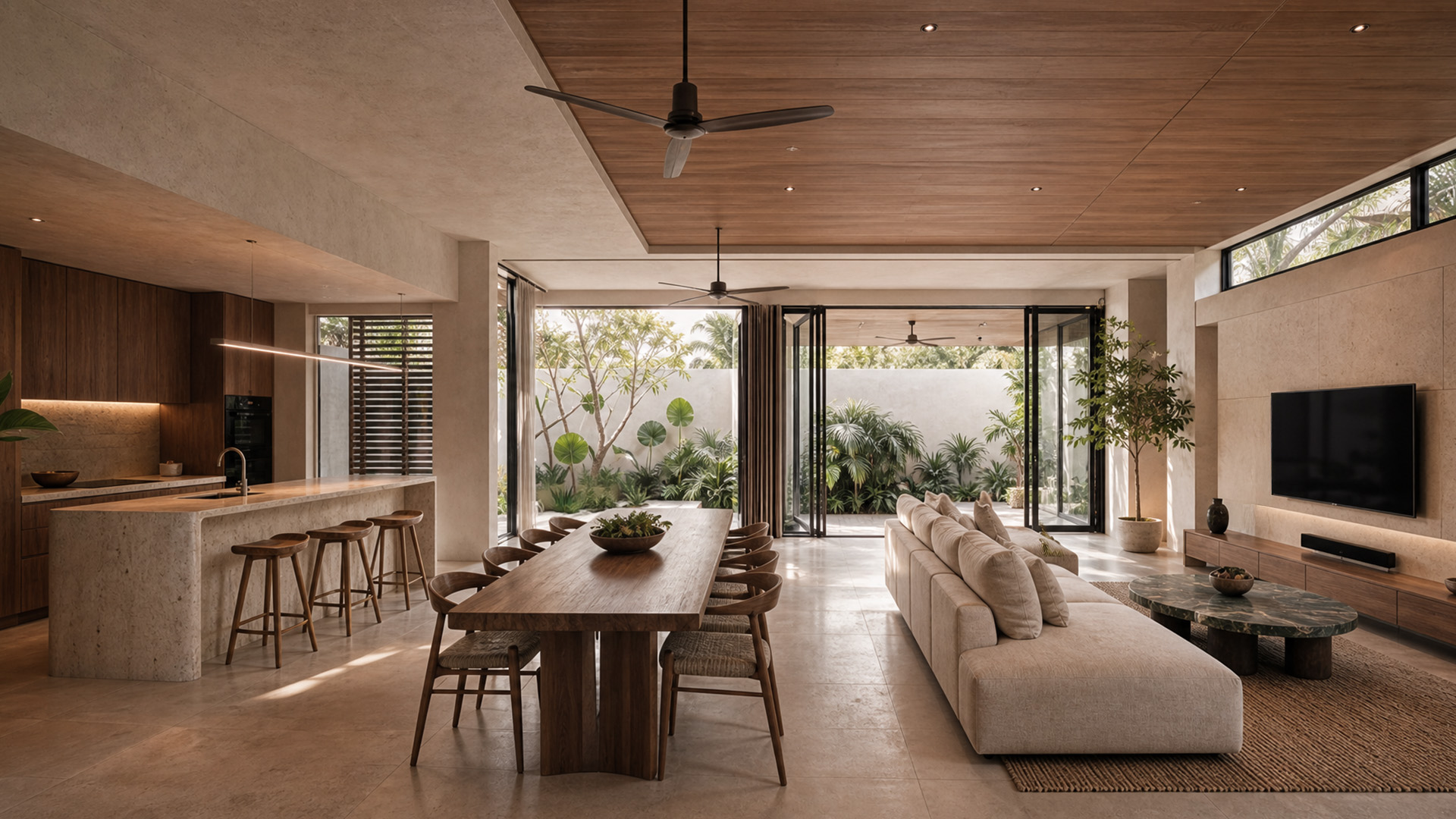
Consider Indoor Air Quality as Part of the Material Selection

The surfaces you see are only part of the specification. Boards, adhesives, sealants, paints and protective coatings are also introduced during a renovation.

When looking for healthy interior materials in Singapore, ask for supporting product information rather than relying only on broad claims such as “eco-friendly” or “non-toxic”.

Low-VOC finishes and adhesives can form part of a high-end material specification without compromising its visual quality. If ENF-grade boards are proposed for carpentry, their documentation should be reviewed together with the adhesives, laminates and coatings used to create the finished joinery.

Indoor air quality should be considered alongside appearance, performance and craftsmanship as part of the complete specification.

Step 10: Approve the Material and the Detail Together

Selecting the material is only the first approval. Before fabrication begins, review how it will be cut, arranged, finished and connected to the surrounding surfaces.

Focus on the decisions that will have the greatest visual effect. For natural stone, this may include the actual slabs, the placement of prominent veins and the profile of exposed edges. For timber joinery, review the finished colour and the way the grain will move across the panels.

Physical metal samples, larger textile pieces and specialist wall-finish mock-ups are also worth seeing. Where materials meet, ask how the transition will be handled. A beautiful stone can still feel unresolved if its edge or junction with the cabinetry has been treated as an afterthought.

You do not need to review every concealed construction detail. Concentrate on what you will see, touch and live with.

By this stage, you should also understand how the material is expected to age and what care it will require. Natural variation, patina and subtle colour changes may be part of its appeal, but they are easier to appreciate when they have been discussed beforehand.

Choosing Luxury Materials With Confidence

Choosing luxury interior materials for your home is not about filling every room with rare stone, fine timber and custom finishes. It is about selecting a few materials with genuine character and giving them the care they need to be fully expressed.

Start with what luxury means to you. Look beyond prestigious names, see important materials at the right scale and understand where craftsmanship will influence the result. From there, a well-edited palette and careful detailing can bring the choices together.

Whether you are planning a condo renovation or a landed home renovation, you do not need to become a materials expert. You need enough information to understand what you are approving, supported by an experienced luxury interior design and build team that can translate those choices into a coherent, well-executed home.

That is what allows luxury to feel considered rather than displayed.
Book a private consultation with DreamR to explore which materials and design direction would best suit your home.

Frequently Asked Questions

What materials are best for Singapore humidity?

Materials that can perform well in Singapore’s humidity include appropriately specified natural stone, stable engineered timber products, moisture-resistant boards, corrosion-resistant or properly protected metals and breathable mineral finishes. Suitability still depends on the room, substrate and installation method.

Your designer should confirm the expected moisture exposure, substrate, protective treatment, ventilation conditions and maintenance requirements before specifying each material.

Are low-VOC finishes worth using?

Yes. Low-VOC finishes can help limit the volatile organic compounds released by paints, coatings, adhesives and other interior products. They are particularly relevant where extensive carpentry, coatings or adhesives are specified. However, “low-VOC” does not describe the product’s complete emissions profile, so request relevant technical information or recognised certification before making a selection.

What is ENF-grade carpentry?

ENF is the most stringent formaldehyde-emission class under China’s GB/T 39600-2021 standard for certain wood-based panels. ENF-grade boards can contribute to a lower-emission carpentry specification, but the classification applies to the tested board rather than the completed joinery. Adhesives, laminates, edge treatments and coatings should also be reviewed, together with supporting documentation.

Which luxury materials are easiest to maintain?

High-quality porcelain, sintered stone, engineered quartz, coated metals, performance textiles and suitably finished engineered timber generally require less routine maintenance than porous or more delicate alternatives. Their performance still varies by product and application, so cleaning, staining, repair and refinishing requirements should be confirmed before approval.

How should materials be coordinated across a home?

Begin with one principal material in each space, then select supporting finishes with compatible undertones, textures and visual weight. Repeat a small number of materials throughout the home to create continuity without making every room identical. Review stone, timber, metal and textile samples together under the home’s actual lighting before giving final approval.

Share
Link copied!
Tags
Landed
Condo

Insights from the DreamR Team

EXPLORE all blog
August 14, 2026
min. read

How to Choose Luxury Interior Materials for Singapore Homes

To choose luxury interior materials for a Singapore home, look beyond price or prestigious names. Consider the character and quality of the actual material, where it will have the greatest effect and how craftsmanship will shape the finished result.

You do not need to understand every technical detail, but knowing what to inspect and what to discuss with your design team will help you choose materials that feel refined, perform well and suit your home.

Step 1: Decide What Luxury Means to You

Luxury does not have to be dramatic. For some, it lies in the natural movement of stone or the depth of hand-finished timber. For others, it comes through restrained surfaces, finely made details and materials that reveal more of their character over time.

Think about the qualities you respond to most. You may appreciate natural variation and materials selected specifically for your home. Perhaps tactile richness matters more, such as the feel of a fabric, the weight of a handle or the softness of a honed surface. You may also be drawn to precise custom craftsmanship, where every detail feels carefully resolved.

This is not the same as choosing an interior style. It is about deciding what the materials should contribute to your experience of the home.

A refined interior might bring together softly veined stone, consistent timber grain and muted metal. A more expressive one may have room for distinctive marble or richly figured veneer. Both can feel luxurious when the materials are chosen with purpose and used with care.

Step 2: Choose Where Exceptional Materials Will Matter Most

Using premium finishes everywhere rarely makes a home feel more considered. In many cases, the opposite happens: there is so much to look at that none of the materials has room to make an impression.

It is more useful to identify a few places where their character can be fully appreciated.

A kitchen island, for example, may be large enough to reveal the movement of natural stone. Full-height joinery gives timber grain space to form a composition. At the entrance, a specialist wall finish can establish the mood of the home without needing to appear in every room.

Smaller details can carry their own kind of luxury. A custom handle is experienced through touch. A metal screen is appreciated through its proportions and the way it filters light. Fine curtains reveal their quality in the way they fall rather than through an obvious decorative statement.

The question is not where an expensive material can be added. It is where the material will have enough presence to justify being exceptional.

Step 3: Look Beyond Prestigious Names

Certain names carry an immediate sense of status. Carrara marble, walnut, silk and brass are familiar examples. But a recognised name is only a starting point.

Two slabs sold under the same stone name can look very different. One may have graceful, balanced movement; another may feel flat or visually unsettled. Walnut can range from straight-grained and consistent to highly figured. Silk may be finely woven and beautifully weighted, or entirely wrong for the way a particular room will be used.

When a material is presented as premium, look at what makes that particular example special. It could be the clarity of its colour, the quality of the grain or the method used to finish it. In other cases, its value lies in being individually selected rather than supplied as a standard product.

There is no need to be swayed by rarity for its own sake. A lesser-known stone with beautiful movement may suit the home far better than a famous marble chosen mainly for its name.

Step 4: See the Material at the Right Scale

Small samples are useful, but they can also be misleading.

A piece of stone small enough to hold in your hand cannot show the movement of an entire slab. A timber chip says little about how the grain will run across a wall of cabinetry. Fabric may feel completely different once it is pleated or upholstered. Hand-applied plaster needs space before its tonal variation becomes visible.

For an important stone surface, view the actual slab where possible. Stand back from it. Look at the whole composition rather than focusing only on one attractive section.

With bespoke timberwork, review a finished sample that includes the intended stain and sheen. It is also worth seeing how the grain will run across the larger piece of joinery. For curtains or upholstery, a generous fabric sample will tell you far more than a small swatch.

Specialist wall finishes deserve a larger mock-up, ideally prepared by the person who will complete the final work. The colour may be right, but the amount of movement or sheen can still differ from what you imagined.

Your designer should guide you through what can be controlled and what belongs to the natural character of the material.

Step 5: Understand Where Craftsmanship Makes the Difference

Many luxury materials are not complete when they leave the supplier. Their quality comes into focus only after they have been cut, joined, matched or applied.

With natural stone, the veins may be arranged to continue from one surface to another. On a kitchen island, this could mean considering the top and sides as one composition rather than separate pieces.

Timber veneer can be laid out so that the grain flows across several cabinet doors. Metalwork may be shaped and finished specifically for one detail. Even curtains rely on careful fabrication to achieve the right fullness and drape.

These decisions may sound highly technical, but you do not need to make them yourself. What matters is seeing how they affect the result.

A simple drawing can show where the main stone veins will appear. A joinery elevation can indicate how timber grain will continue across the panels. A physical sample may be useful for an important stone edge, metal junction or specialist finish.

This is often where the value of a luxury material becomes most apparent, not in the sample itself but in what skilled hands are able to do with it.

Step 6: Know What the Material Really Is

Descriptions such as “brass finish”, “timber finish” and “marble surface” can cover several different products.

A brass finish may be solid brass, a plated metal or a brass-coloured coating. A timber surface could be solid wood, natural veneer or a printed wood effect. A marble-look slab may be an engineered surface rather than natural stone.

This does not mean that engineered or coated materials have no place in a luxury home. They can offer consistency, stability or easier maintenance in areas where those qualities matter. The important thing is to understand what you are approving and why it has been chosen.

If natural character is central to the design, a printed imitation may not provide the same depth. If easy care and colour consistency are more important in a particular area, an engineered option could be the more sensible choice.

Clear descriptions allow you to judge the material on its actual qualities, not on the impression created by its name.

Step 7: Build the Interior Around a Few Strong Choices

Once you have selected the principal materials, the next challenge is knowing when to stop.

Materials with strong movement, depth or individuality can compete when too many are used together, leaving the room feeling visually unsettled.

If a dramatically veined stone is the focus, more restrained timber may give it the space it needs. Where joinery has a rich, noticeable grain, simpler flooring and wall finishes can provide balance. A softly textured plaster wall may not need reflective metalwork competing with it.

This does not mean the rest of the palette should feel plain. Supporting materials can still have beautiful texture and quality. They simply do not all need to announce themselves at once.

A small amount of repetition can then connect different parts of the home. Metal used for a feature screen might return in selected handles. The stone chosen for the kitchen may appear again as a shelf or vanity detail. Timber from the living area could continue into a more restrained, private room.

The effect should feel familiar rather than repetitive.

Step 8: Look at the Materials in the Home

Showroom lighting can be flattering, but it does not tell you exactly how a material will look in your home.

Daylight may draw out a cool undertone in stone that was less obvious indoors. Timber can appear warmer under evening light. Metal reflects nearby colours, while polished surfaces pick up movement from the room around them.

Whenever possible, place the shortlisted materials together in the space where they will be used. Look at them during the day and again under artificial lighting.

This is particularly helpful when several finishes sit within a similar colour range. A pale stone may lean grey while the timber beside it has a yellow undertone. Both can be attractive on their own yet uncomfortable together.

You are not looking for everything to match. You are looking for a relationship that feels natural and balanced.

Step 9: Make Sure the Specification Works in Singapore

A luxury material earns its place when it remains beautiful and practical while supporting a healthier interior long after the first impression.

Singapore’s humidity does not rule out natural stone, timber, metal or specialist finishes. It does, however, affect how they should be constructed, protected and installed.

The questions will depend on the material. Will the selected timber construction remain stable? Is the stone suitable for a bathroom or other wet area? Will the metal develop an attractive patina or show signs of deterioration? Can the textile withstand strong daylight? Is a specialist wall finish appropriate for the existing surface?

When considering materials for Singapore humidity, broad descriptions such as “moisture-resistant” are not enough. Suitability depends on the precise material, where it will be used and how it will be installed.

It is also worth finding out how the finish can be maintained. If damage occurs several years later, can it be repaired or refinished locally? Will a specialist contractor be needed? Could retaining spare stone, tiles or fabric make future repairs easier?

Your design and build team should confirm these requirements and explain how they affect the final specification.

Consider Indoor Air Quality as Part of the Material Selection

The surfaces you see are only part of the specification. Boards, adhesives, sealants, paints and protective coatings are also introduced during a renovation.

When looking for healthy interior materials in Singapore, ask for supporting product information rather than relying only on broad claims such as “eco-friendly” or “non-toxic”.

Low-VOC finishes and adhesives can form part of a high-end material specification without compromising its visual quality. If ENF-grade boards are proposed for carpentry, their documentation should be reviewed together with the adhesives, laminates and coatings used to create the finished joinery.

Indoor air quality should be considered alongside appearance, performance and craftsmanship as part of the complete specification.

Step 10: Approve the Material and the Detail Together

Selecting the material is only the first approval. Before fabrication begins, review how it will be cut, arranged, finished and connected to the surrounding surfaces.

Focus on the decisions that will have the greatest visual effect. For natural stone, this may include the actual slabs, the placement of prominent veins and the profile of exposed edges. For timber joinery, review the finished colour and the way the grain will move across the panels.

Physical metal samples, larger textile pieces and specialist wall-finish mock-ups are also worth seeing. Where materials meet, ask how the transition will be handled. A beautiful stone can still feel unresolved if its edge or junction with the cabinetry has been treated as an afterthought.

You do not need to review every concealed construction detail. Concentrate on what you will see, touch and live with.

By this stage, you should also understand how the material is expected to age and what care it will require. Natural variation, patina and subtle colour changes may be part of its appeal, but they are easier to appreciate when they have been discussed beforehand.

Choosing Luxury Materials With Confidence

Choosing luxury interior materials for your home is not about filling every room with rare stone, fine timber and custom finishes. It is about selecting a few materials with genuine character and giving them the care they need to be fully expressed.

Start with what luxury means to you. Look beyond prestigious names, see important materials at the right scale and understand where craftsmanship will influence the result. From there, a well-edited palette and careful detailing can bring the choices together.

Whether you are planning a condo renovation or a landed home renovation, you do not need to become a materials expert. You need enough information to understand what you are approving, supported by an experienced luxury interior design and build team that can translate those choices into a coherent, well-executed home.

That is what allows luxury to feel considered rather than displayed.

Book a private consultation with DreamR to explore which materials and design direction would best suit your home.

Frequently Asked Questions

What materials are best for Singapore humidity?

Materials that can perform well in Singapore’s humidity include appropriately specified natural stone, stable engineered timber products, moisture-resistant boards, corrosion-resistant or properly protected metals and breathable mineral finishes. Suitability still depends on the room, substrate and installation method.

Your designer should confirm the expected moisture exposure, substrate, protective treatment, ventilation conditions and maintenance requirements before specifying each material.

Are low-VOC finishes worth using?

Yes. Low-VOC finishes can help limit the volatile organic compounds released by paints, coatings, adhesives and other interior products. They are particularly relevant where extensive carpentry, coatings or adhesives are specified. However, “low-VOC” does not describe the product’s complete emissions profile, so request relevant technical information or recognised certification before making a selection.

What is ENF-grade carpentry?

ENF is the most stringent formaldehyde-emission class under China’s GB/T 39600-2021 standard for certain wood-based panels. ENF-grade boards can contribute to a lower-emission carpentry specification, but the classification applies to the tested board rather than the completed joinery. Adhesives, laminates, edge treatments and coatings should also be reviewed, together with supporting documentation.

Which luxury materials are easiest to maintain?

High-quality porcelain, sintered stone, engineered quartz, coated metals, performance textiles and suitably finished engineered timber generally require less routine maintenance than porous or more delicate alternatives. Their performance still varies by product and application, so cleaning, staining, repair and refinishing requirements should be confirmed before approval.

How should materials be coordinated across a home?

Begin with one principal material in each space, then select supporting finishes with compatible undertones, textures and visual weight. Repeat a small number of materials throughout the home to create continuity without making every room identical. Review stone, timber, metal and textile samples together under the home’s actual lighting before giving final approval.

How to Choose Luxury Interior Materials for Singapore Homes

July 31, 2026
min. read

A house may first be noticed for how it looks, but it is ultimately experienced through how it works: the ease of moving between rooms, the quality of light throughout the day and the way spaces support both private routines and time spent together.

In a luxury landed house renovation, visual refinement is only one part of the brief. The wider objective is to create a home that reflects its occupants, responds intelligently to its site and remains comfortable and relevant over many years.

Achieving this requires careful spatial planning, appropriate material choices, technical coordination and a clear understanding of how the household intends to live.

What Should You Consider in a Luxury Landed House Renovation?

A luxury landed house renovation should balance three closely related priorities: beauty, functionality and liveability over time.

These priorities should inform decisions from the earliest planning stage. Before layouts or materials are developed, the design team needs to understand who lives in the house, how their days unfold and how those needs may change.

Questions may include:

  • Which areas are used most frequently?
  • When does the household gather, entertain or require privacy?
  • How should circulation be organised for family members, guests and the practical running of the household?
  • Is the house intended to accommodate young children, older family members or multigenerational living?
  • Might bedrooms, studies or other spaces need to serve different purposes later?
  • Which existing architectural features are worth retaining?

The answers establish a design brief grounded in the household, the property and its long-term use.

Designing Around the Household

Two families living in houses of a similar size may need completely different layouts. You might want everyday life to centre around an open kitchen, dining area and garden. Another household may prefer more contained, clearly separated spaces for working, studying or entertaining guests.

This is why the renovation process should begin with understanding your routines, not simply your aesthetic preferences. How you enter and leave the house, which rooms you use most often and where you need more privacy can all influence the layout. Storage, acoustics and accessibility matter too, as does the balance between shared and personal spaces.

In a landed home, movement between storeys needs particular attention. Frequently used rooms should be placed where they are easy to reach, while the position of stairs and lifts can affect convenience and privacy throughout the house.

The same thinking applies to everyday routes. A convenient connection between the car porch, entrance, kitchen and utility areas can make arrivals easier. Guests might have a more direct route to the entertaining spaces, while household service areas remain efficiently connected but visually discreet.

These choices may seem minor on a floor plan, but you will feel their impact every day.

How Spatial Design Creates a Sense of Luxury

Space can convey luxury through proportion, clarity and control. Ceiling heights, sightlines and the relationship between adjoining rooms shape how generous and composed a landed home feels. When these elements are planned together, each space has a distinct character while remaining part of a coherent whole.

Creating a Considered Spatial Sequence

Spatial sequence describes how the home reveals itself as you move through it. An entrance might offer a framed glimpse of an artwork, courtyard or garden before opening into the main living area. This gradual progression creates a sense of arrival and allows each part of the home to be appreciated in turn.

These techniques are most effective when they support the intended experience of the home. They should not be introduced purely for drama, particularly if doing so compromises circulation, daylight or useful floor area.

Using Proportion to Create Presence

The dimensions of a room, its ceiling height, furniture and architectural details all need to feel balanced. This relationship gives a space its sense of comfort and presence.

A formal dining room may benefit from a more contained ceiling plane, generously scaled furniture and lighting centred precisely above the table. A principal living room may suit greater volume and longer sightlines towards a garden, courtyard or artwork.

A double-height space can give an important communal area greater architectural presence and create a visual connection between storeys. Its position requires careful study, as it also affects acoustics, cooling, privacy and usable floor area.

Variation brings depth to the interior. Expansive rooms create moments of generosity, while more contained spaces offer comfort and privacy. Any proposed changes to floor slabs, ceilings or structural elements must be assessed by the appropriate professionals before being incorporated into the design.

Connecting Indoor and Outdoor Living

Landed properties offer opportunities to establish a closer relationship between interiors, gardens, courtyards and terraces. The right approach depends on how these external spaces will be used.

Large sliding or folding glazed openings can allow living and dining areas to extend towards a garden or pool deck when entertaining. Covered terraces form sheltered transitional spaces that may remain useful during strong sun or rain. Courtyards can introduce daylight, planting and a sense of openness deeper into the house, particularly on long or closely bounded sites.

These connections need to be resolved practically as well as visually. Drainage, weather protection, floor transitions, privacy, security and solar heat gain all require consideration. External materials must also be specified for their exposure conditions rather than selected solely to match the interior palette.

The aim is not necessarily to erase the boundary between inside and outside. In some homes, a clearly defined transition may provide greater shelter, privacy or intimacy. The appropriate solution depends on the architecture of the property and how the household intends to use each space.

Composing Natural Light and Ventilation

Study how light moves through the house before deciding where openings should sit. Morning light may lend itself to a breakfast area or bedroom, while stronger afternoon light requires greater control through orientation, shading and glazing.

The size, depth and position of an opening can shape the atmosphere of a room. A skylight may wash a textured wall with light, while a courtyard can bring a softer glow into the centre of a deep floor plan. Window reveals create shadow and depth; carefully framed views draw attention towards planting, artwork or a significant architectural feature.

Materials should be assessed under the light in which they will be experienced. Honed stone diffuses reflection, polished surfaces create sharper highlights, and timber takes on a different warmth as daylight changes. Samples viewed only under showroom lighting may look noticeably different once installed.

Ventilation and cooling should be resolved with the same care. Openings and internal layouts can encourage air movement where conditions allow, while air-conditioning grilles and other mechanical systems can be integrated discreetly into ceilings and joinery. This preserves both comfort and the visual clarity of the interior.

Selecting Materials With Lasting Presence

Material selection should begin with the atmosphere of the home as a whole. A restrained palette of stone, timber, metal and textured finishes often creates greater depth than using a different statement material in every room. Repeating key materials across floors and architectural details can give the interior a stronger sense of continuity.

Look beyond a small showroom sample. Natural stone should be reviewed as a full slab so its veining, colour movement and variation can be understood. Timber needs to be considered by species, cut, grain direction and finish. Metal samples should be viewed beside the surrounding materials, as subtle differences in tone can become more apparent once installed.

Singapore’s climate also influences how these materials should be specified. Stone used beside a pool requires suitable slip resistance, external metalwork needs an appropriate protective finish, and timber should be selected and detailed for its location and level of moisture exposure. The aim is to preserve the intended appearance while allowing each material to perform reliably.

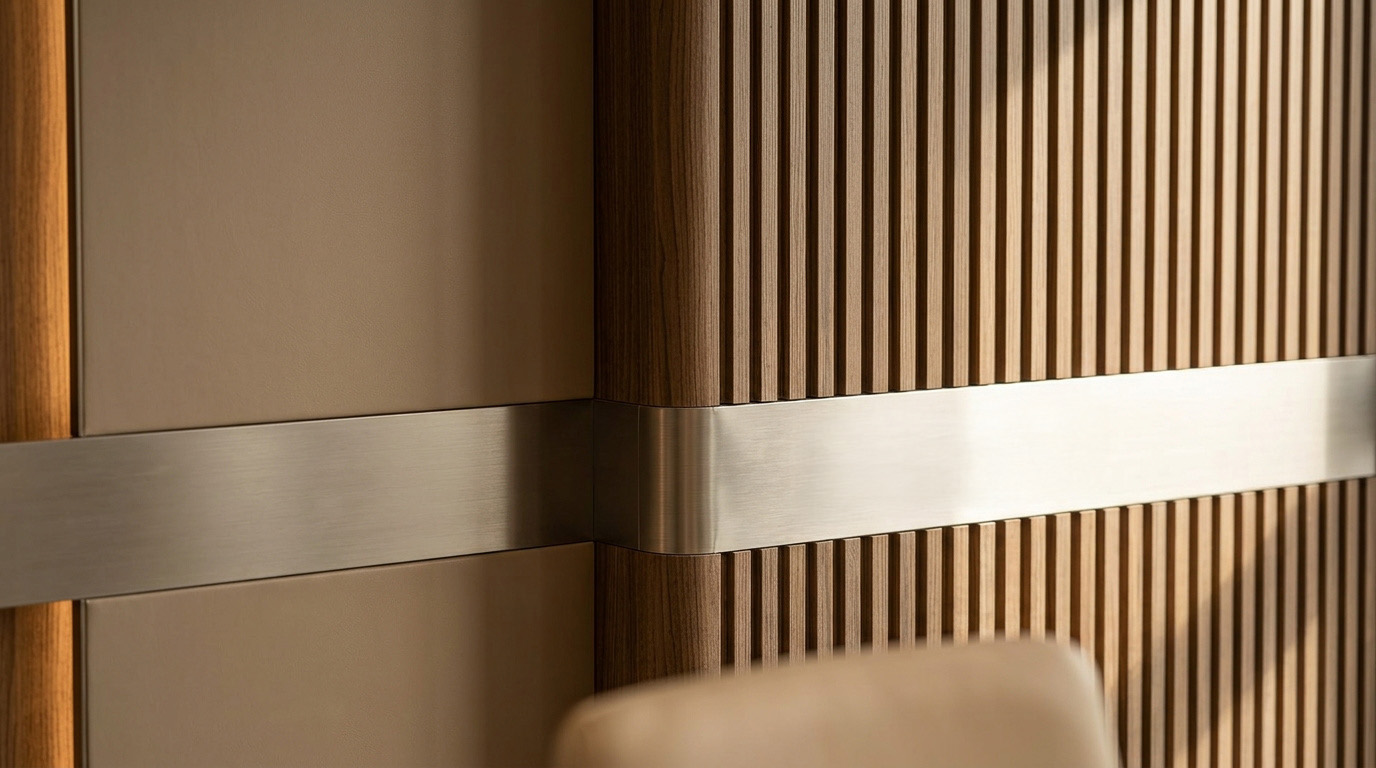
The final quality is often found in the junctions: where stone meets timber, how a metal trim finishes an edge, or how the veining continues across adjoining panels. Full-size samples and mock-ups allow these details to be assessed before fabrication. Careful setting out, precise installation and well-resolved substrates ensure that the finished surfaces retain the clarity of the original design.

Planning Additions, Alterations and Structural Works

Structural work creates opportunities to reconsider the architecture of the entire home. A new void may allow light to travel across several storeys, an extension can establish a more generous garden frontage, and a reworked façade may give the property a clearer architectural identity.

Before developing these ideas, assess the existing structure, roof, waterproofing and building services. This reveals which elements can be retained, strengthened or carefully reconfigured.

Depending on the proposed scope, the works may fall within Additions and Alterations (A&A) and need to comply with the applicable URA building envelope, height and setback controls. Early coordination with a Qualified Person helps align the architectural vision with structural feasibility, authority requirements, cost and programme.

Carrying the Design Through Construction

Once the spatial and technical strategy has been resolved, the quality of the home depends on how precisely those decisions are documented and executed.

Detailed drawings should coordinate layouts, joinery, finishes, lighting, plumbing, air-conditioning and other building systems. These elements need to be considered together: a ceiling line may depend on duct routes, a stone junction may rely on the correct substrate, and a lighting effect may depend on the exact position of its fittings.

Close coordination between design, costing, procurement and construction reduces ambiguity during the build. It also allows practical constraints to be identified before they compromise an important detail or result in avoidable changes on site.

Regular site reviews enable the team to inspect workmanship, clarify details and respond to existing conditions that could not be fully understood before work began. Material samples and mock-ups may also be used where necessary to assess colour, texture, junctions and fabrication quality before wider installation.

DreamR provides an integrated design and build service that guides landed homeowners through design development, technical coordination, construction and completion. This approach is intended to preserve the design vision while giving equal attention to buildability, material execution and the practical realities of construction.

If you are considering a luxury landed house renovation in Singapore, book a private consultation with DreamR to discuss your property, intended scope, lifestyle requirements and level of investment before the design is developed.

Luxury Landed House Renovation in Singapore: Designed for Real Living

September 5, 2025
min. read

Walk into any truly successful office, and you'll immediately sense something different about the energy. The space feels intentional, purposeful—and more often than not, this feeling starts with color.

While most business owners focus on furniture and layout, the colors surrounding your team are quietly influencing everything from productivity levels to creative thinking to stress management. The most effective office color schemes work behind the scenes, creating environments where employees feel energized, focused, and motivated.

Why Color Matters in Your Office

Research shows that color directly impacts how our brains work. Different colors affect our heart rate, attention span, and even our ability to think creatively. This means you can actually use color strategically to support your business goals and help your team perform better.

Blue enhances focus. Red increases energy. Green reduces stress. When you understand these effects, you can create work environments that actively help your team succeed.

Blue: The Focus Enhancer

Blue is proven to enhance concentration and analytical thinking. People perform better on detail-oriented tasks in blue environments, making it one of the most valuable colors for office spaces.

Best for these spaces:

  • Conference rooms where important decisions are made
  • Accounting and finance departments
  • Reception areas to project competence and trust
  • Executive offices to convey authority
  • Any workspace requiring sustained concentration

How to use it: Light blues create calm, focused energy. Navy blues convey authority and trustworthiness. Use blue as accent walls rather than painting entire rooms—too much blue can feel cold or impersonal.

Green: The Stress Reducer

Green is the most versatile office color because it naturally reduces stress while keeping people alert. It's the easiest color for our eyes to process, making it perfect for environments where people spend long hours on computers.

Best for these spaces:

  • Open office areas where stress management is crucial
  • Collaboration zones for calm, productive discussions
  • Break rooms for relaxation and restoration
  • Any area with extensive screen time
  • Spaces where people work long hours

How to use it: Sage and soft greens work beautifully in large areas. Forest greens convey stability and growth. Green works well as both accent colors and larger wall treatments without being overwhelming.

Red: The Energy Activator

Red increases heart rate and creates urgency. It's powerful for spurring action and energy, but it needs to be used carefully because too much can increase stress and even aggression.

Best for these spaces:

  • Break rooms to encourage dynamic interaction
  • Sales departments to energize teams
  • Informal meeting areas for brainstorming
  • Workout or wellness rooms
  • Areas where quick decisions are needed

How to use it: Use red sparingly—in artwork, accent pieces, or single feature walls. Avoid using red in spaces where people need to concentrate for long periods or in high-stress departments.

Yellow: The Creativity Catalyst

Yellow stimulates mental activity and promotes creative thinking. It's excellent for innovation and problem-solving, but bright yellows can cause eye strain if overused.

Best for these spaces:

  • Brainstorming rooms
  • Design studios and creative departments
  • Innovation labs
  • Strategic planning areas
  • Spaces where teams solve complex problems

How to use it: Choose soft, warm yellows like butter cream or pale gold rather than bright sunshine yellow. Use yellow as an accent color in furniture or artwork rather than covering entire walls.

Purple: The Inspiration Generator

Purple stimulates imagination while conveying sophistication. It's associated with creativity, luxury, and innovative thinking.

Best for these spaces:

  • Creative meeting rooms
  • Executive offices for big-picture thinking
  • Design firms and consulting companies
  • Innovation centers
  • Spaces where premium services are discussed

How to use it: Lavender and soft purples create inspiring yet calming environments. Deeper purples convey luxury. Use purple strategically in spaces where creative thinking is important, typically as accent colors.

Orange: The Social Connector

Orange combines energy with optimism, promoting enthusiasm and social interaction. It's particularly valuable for team collaboration and communication.

Best for these spaces:

  • Break rooms and cafeterias
  • Informal meeting areas
  • Team collaboration zones
  • Social spaces and lounges
  • Areas where you want to encourage friendly interaction

How to use it: Orange can be overwhelming in large doses, so use it as an accent color in furniture, artwork, or decorative elements rather than painting entire walls.

Smart Color Combinations

The most sophisticated offices use neutral foundations with strategic color accents:

Neutral Base + Blue Accents: Perfect for professional environments that need to project competence while supporting focused work.

Neutral Base + Green Accents: Ideal for high-stress environments or offices with lots of screen time.

Neutral Base + Multiple Strategic Colors: Use blue in focus areas, green in relaxation zones, and yellow in creative spaces for maximum psychological benefit.

Department-Specific Strategies

Finance & Accounting:

  • Primary: Blue for enhanced focus on detailed work
  • Secondary: Small amounts of green to reduce stress

Creative Teams:

  • Primary: Yellow and purple accents for innovation
  • Secondary: Green for calm focus during detailed work

Sales & Marketing:

  • Primary: Orange and red elements for energy and enthusiasm
  • Secondary: Blue for strategic thinking sessions

Human Resources:

  • Primary: Green and soft blue for approachable professionalism
  • Secondary: Warm neutrals for comfort during sensitive conversations

Practical Implementation Tips

Start Small: Test colors with removable elements like artwork, furniture, or accessories before committing to paint.

Consider Lighting: Colors look different under various lighting conditions. Test samples under your actual office lighting.

Think Cultural Context: In Singapore's multicultural environment, consider how different cultures view colors. Red, for example, is particularly positive in Chinese culture.

Avoid Overwhelming: Use the 60-30-10 rule: 60% neutral base, 30% secondary color, 10% accent color.

Plan for Longevity: Choose colors that align with your long-term brand rather than current trends.

Measuring Success

Pay attention to changes in your team after implementing new colors:

  • Are people more collaborative in green-accented meeting rooms?
  • Do staff seem more energized in areas with warm accents?
  • Are there fewer complaints about eye strain in green-enhanced computer work areas?

Common Mistakes to Avoid

Too Much of One Color: Even positive colors become overwhelming when overused.

Ignoring Function: Don't choose colors just because they look good—consider what work happens in each space.

Following Trends Blindly: Choose colors that support your team's actual work rather than what's currently popular.

Forgetting About Balance: Every color scheme needs neutral areas where eyes can rest.

The Bottom Line

Color psychology in office design isn't about creating rainbow workplaces—it's about making strategic choices that support your team's performance and wellbeing. When done thoughtfully, the right colors can boost productivity, reduce stress, enhance creativity, and even improve employee satisfaction.

The key is understanding what work happens in each space and choosing colors that support those activities. A small investment in strategic color choices can yield significant returns in employee performance and workplace satisfaction.

How to Use Color Psychology in Office Design

September 5, 2025
min. read

Your office isn't just where work happens—it’s also a visual representation of your brand. Whether you're welcoming clients or fostering a productive environment for employees, every corner of your space should communicate who you are. For businesses in Singapore, where space is often limited and design standards are high, aligning your office renovation with your brand identity isn't just a nice-to-have—it’s a strategic move.

Why Your Office Design Should Reflect Your Brand

First impressions count. A thoughtfully designed office space helps you stand out in a competitive market, attract the right clients, and boost employee morale. Imagine walking into a law firm with beanbags and neon lights—it would likely send mixed signals.

That’s why a professional office renovation expert will take the time to understand your brand’s values, tone, and style before proposing a design plan. Whether you’re running a modern tech startup or an established consulting firm, your office interior renovation should mirror your core identity.

Step 1: Define Your Brand Before You Renovate

Before calling a commercial office renovation team, get clear on your brand personality. Ask yourself:

  • Is your brand more formal or casual?
  • Are you sleek and minimal or warm and welcoming?
  • What colours, textures, or materials are associated with your visual identity?

These answers will guide everything from material selection to space layout. For example, a luxury real estate firm in Singapore might go for polished marble, warm lighting, and deep-toned wood, while a creative agency could lean into exposed ceilings, bold colours, and modular furniture.

Step 2: Incorporate Your Brand Colours and Style Thoughtfully

Using brand colours doesn’t mean painting every wall in your logo shade. It’s about subtle integration—think statement furniture, light fixtures, or accent walls. A good office interior design company will balance aesthetics with functionality so your space doesn’t feel overbranded or distracting.

For companies in Singapore, where office units vary in size and configuration, customisation is key. Work with an office renovation company Singapore that understands both branding and local building requirements.

Step 3: Use Layout to Reflect Your Work Culture

Your office layout speaks volumes about how your company operates. If collaboration is a big part of your brand, open workspaces with shared tables and glass-walled meeting rooms can support that. On the flip side, if your work demands privacy or quiet, dedicated zones or enclosed pods may be more suitable.

Zoning your singapore office interior around your workflow will not only increase productivity but also reinforce what your brand stands for. For example, a consultancy that values deep thinking might design quieter breakout areas or use sound-absorbing materials throughout the space.

Step 4: Align Furniture and Fixtures with Your Identity

From reception counters to boardroom tables, your furniture choices should align with your brand tone. A forward-thinking tech firm might go for height-adjustable desks, ergonomic chairs, and a flexible lounge area, while a corporate law firm might lean into timeless executive desks and leather finishes.

A reputable office interior designer singapore can help you source or custom-build pieces that fit both your branding and the ergonomic needs of your team.

Step 5: Don’t Forget Lighting and Materials

Materials and lighting play a major role in shaping your office’s mood and character. Do you want your space to feel grounded and natural? Consider raw wood, stone, or earth tones. Looking to convey a high-tech edge? Polished metal, sleek finishes, and cooler lighting may suit you better.

Your office interior design company singapore should offer guidance on material selection that enhances your identity without compromising on durability—especially important in Singapore’s humid climate.

Step 6: Weave in Company Culture and Storytelling

The most memorable offices are those that tell a story. Think about ways to showcase your history, achievements, or team spirit. Gallery walls, branded signage, or even a customised mural can be powerful without being overly corporate.

In a renovation office project, these unique touches often become focal points that set you apart from generic commercial spaces.

Step 7: Work with the Right Partner

Executing a brand-aligned office space renovation takes more than just good taste—it requires the right team. Choose an experienced office renovation company that can deliver both visual appeal and technical precision.

In Singapore, strict regulations and limited space can present challenges, so it’s essential to hire a team that understands local guidelines and can work within your budget and timeline.

Ready to Bring Your Brand to Life Through Design?

With years of experience in commercial office renovation projects across Singapore, our team knows how to transform workspaces into brand statements. From planning to execution, we ensure every design choice reflects your identity and supports your operations.

Contact us today for a free consultation to discuss your dream space!

Explore our extensive portfolio of office projects to inspire your next renovation.

How to Renovate Your Office to Reflect Your Brand Identity

EXPLORE all blog

CURIOUS WHAT WE CAN DO
FOR YOUR SPACE?

Send us a message, and we'll be happy to
walk you through it.
START YOUR PROJECT
Renovation starts at $300,000

Start your bespoke renovation journey

Consult with us, for free,
to experience:
Specialised in-house team
Transparent pricing
Health and Safety
On-time delivery

Facebook

Instagram

Required fields are marked with an asterisk (*)
Renovation starts from $300,000

Message sent!

We’ll circle back to you, meanwhile just sit and dream of your future space.
Oops! Submission encountered a hiccup. Please try again.
or
Chat on Whatsapp

Facebook

Instagram