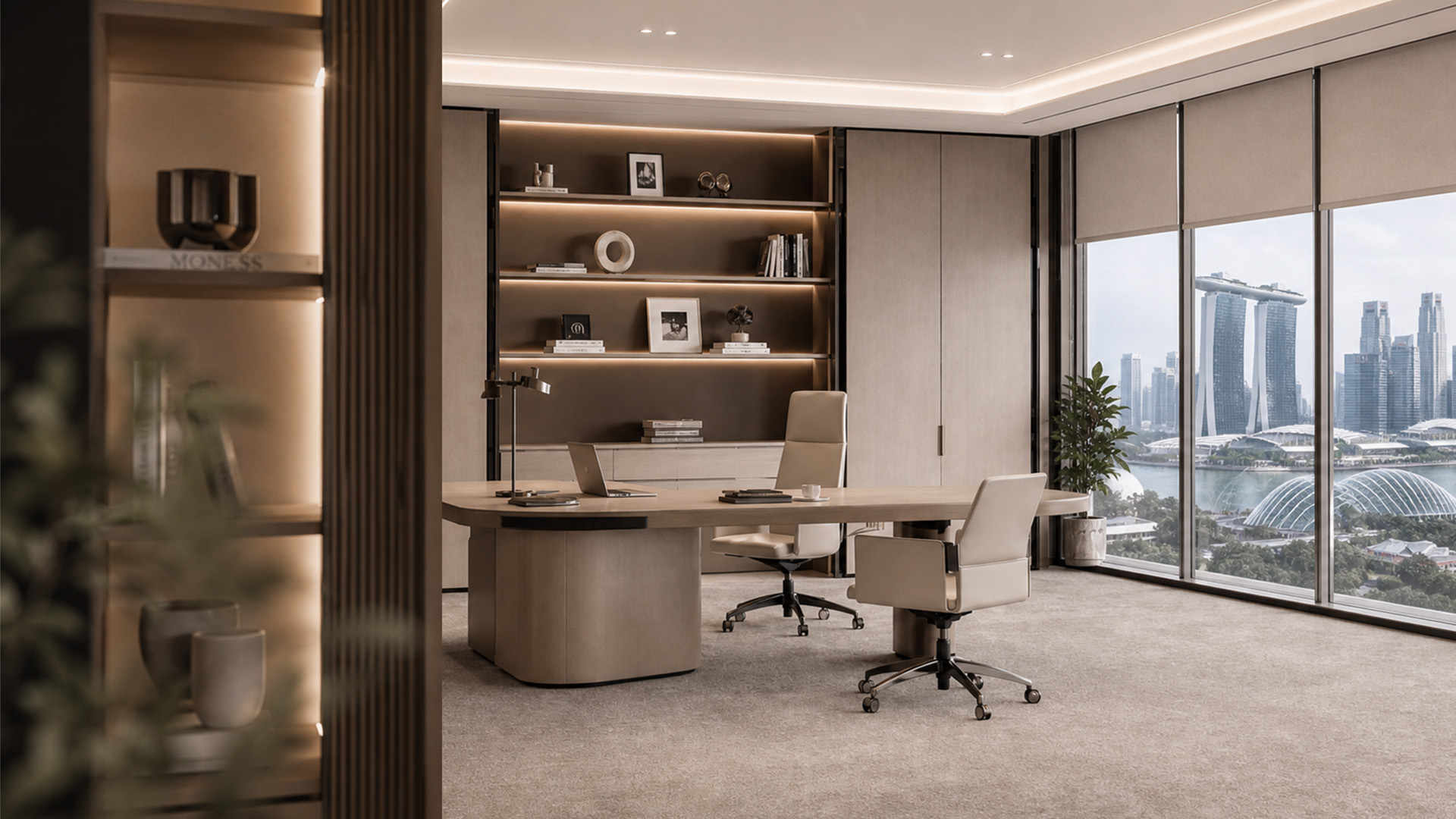
How to Divide Large Offices into Functional Zones without Losing the Open Feel
BY
DreamR Design Team
|
December 3, 2025
|
min. read
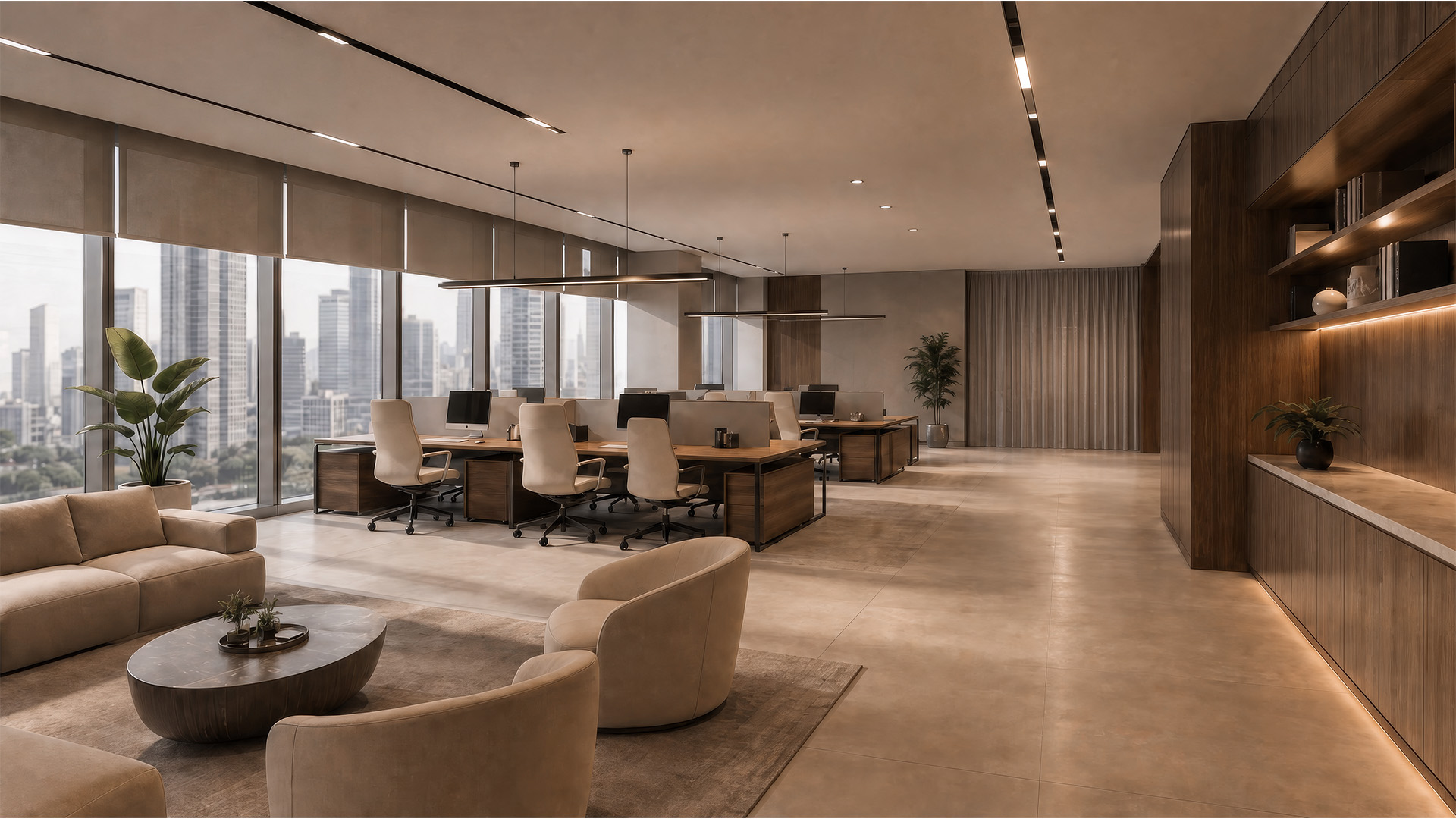
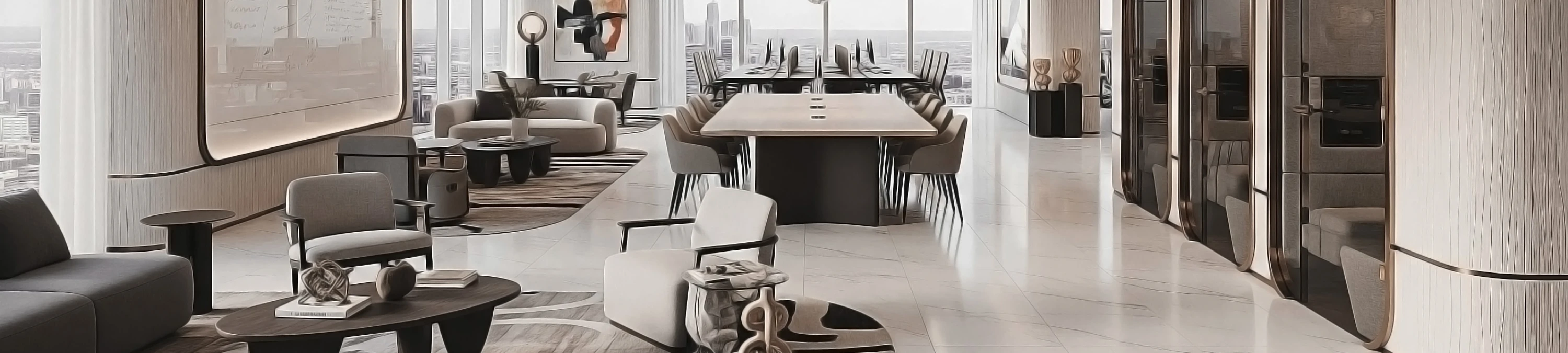
Having a spacious office in Singapore is a rare advantage—but if it’s not planned properly, a large open space can quickly become overwhelming, noisy, and underutilised. The challenge? Creating defined zones for focused work, meetings, and collaboration without making the space feel closed-off or cluttered.
With the right office renovation approach, you can strike the perfect balance between openness and function. Whether you're starting a commercial office renovation or simply updating your layout, these smart design strategies can help you get the most out of your space while keeping that airy, modern feel.
Why Zoning Matters in a Large Office
Large offices can feel disorganised without a clear structure. Without visual or spatial cues, employees may struggle to find focus areas, collaboration spots, or quiet corners.
An experienced office renovation expert knows that zoning is not about building more walls—it’s about using design to guide how people interact with the space. Smart zoning leads to:
Better space utilisation
Improved workflow and communication
More privacy without isolation
A cohesive and inviting atmosphere
Let’s explore how to achieve this with thoughtful design.
1. Use Visual Cues Instead of Walls
Walls can break up space, but they also block light and flow. To maintain an open layout, use subtle visual cues like:
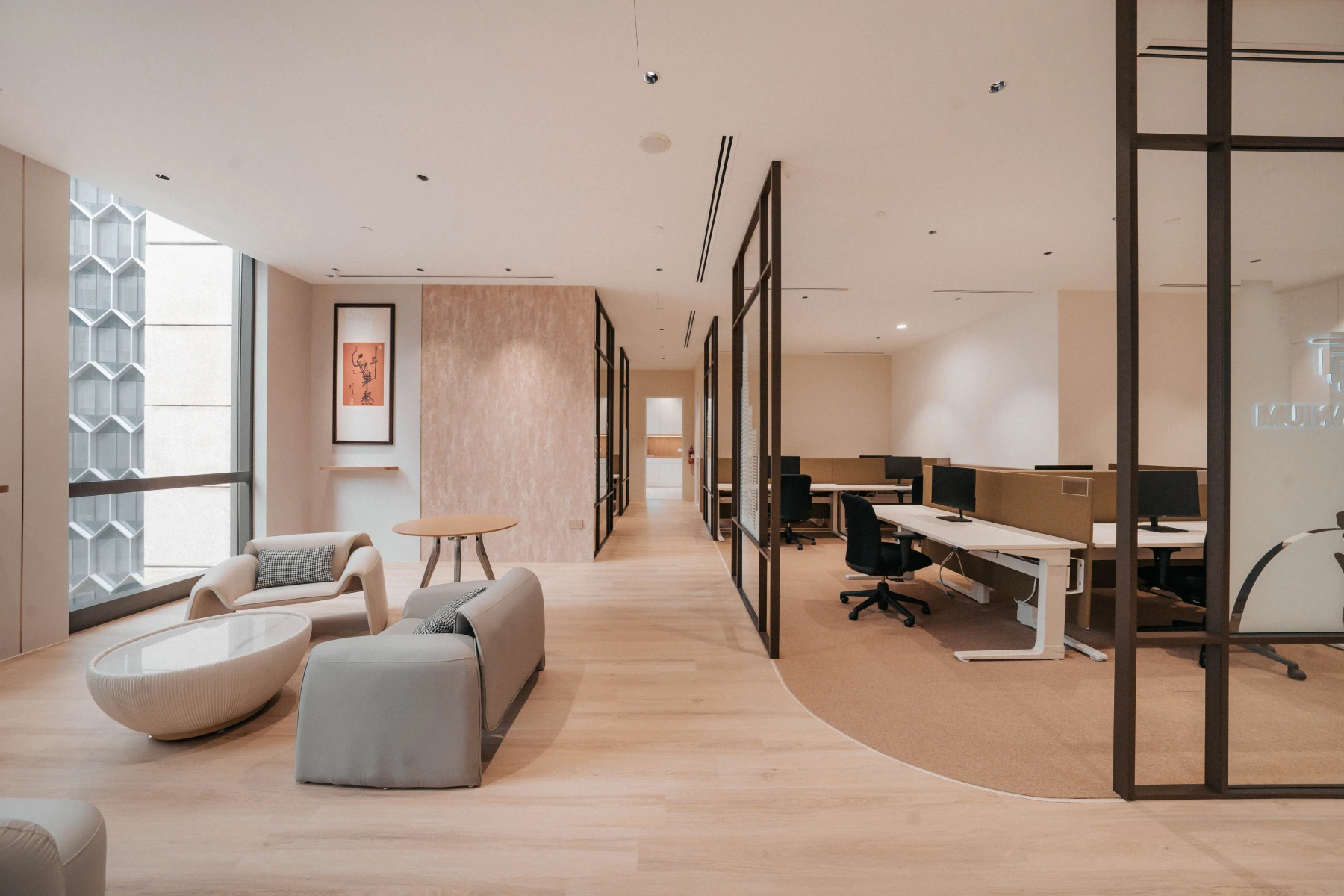
Area rugs to define breakout or lounge zones
Changes in flooring or ceiling height to differentiate departments
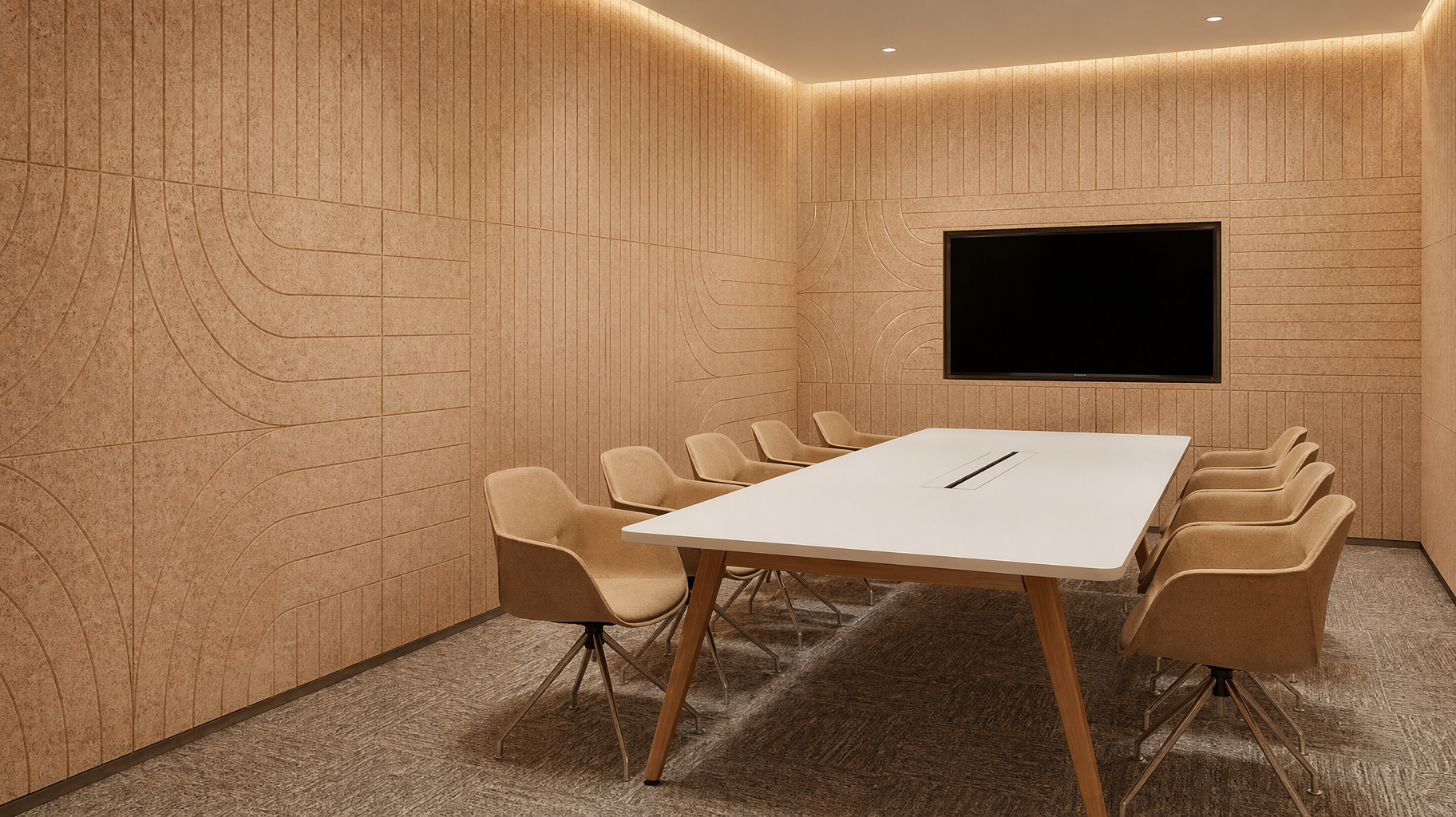
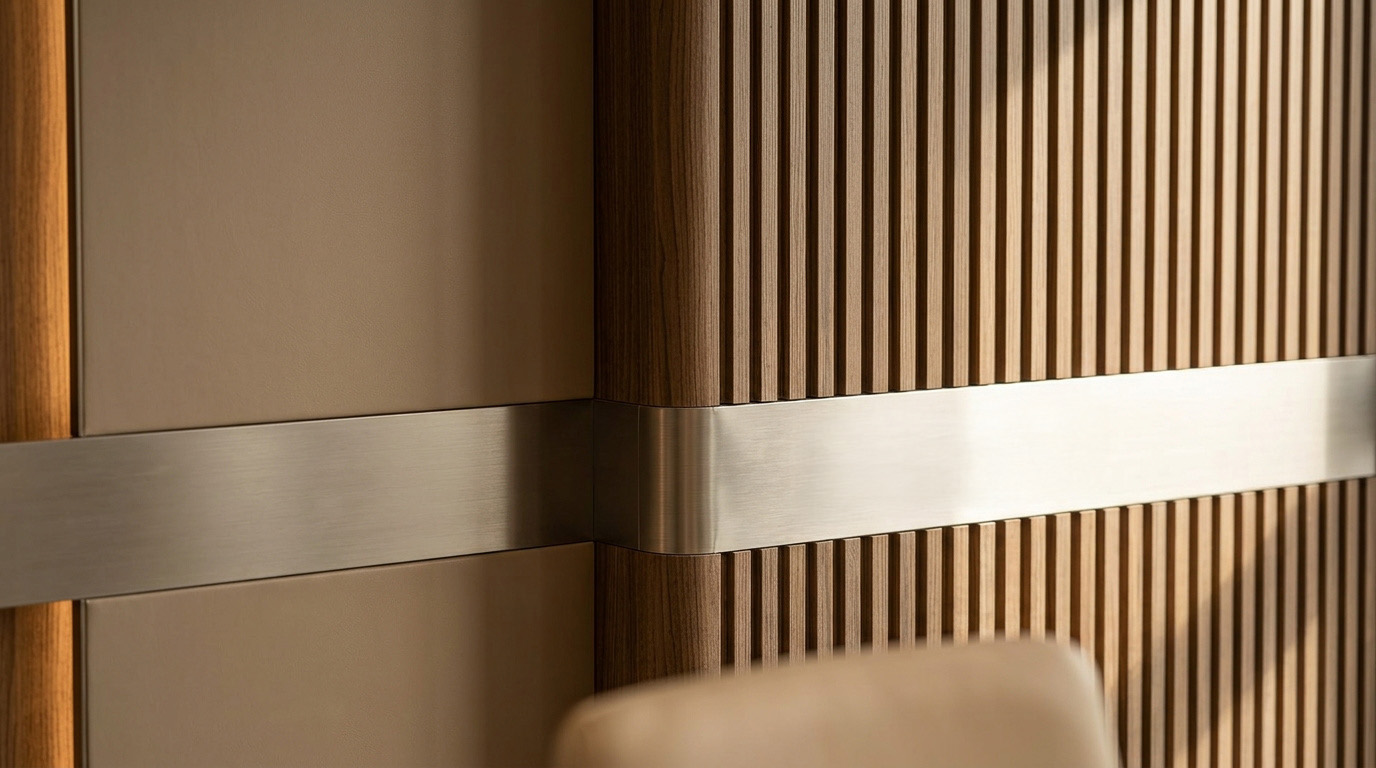
Accent colours or material shifts (e.g., wood slats, felt panels) to signal different zones
These non-intrusive dividers help employees intuitively understand the purpose of each area without physically closing off the space.
2. Introduce Transparent or Semi-Transparent Partitions
Glass partitions are a popular feature in many Singapore office renovations because they preserve openness while creating usable, quiet spaces. Frosted panels can offer privacy for meeting rooms or management offices while still allowing light to pass through.
Other smart options include:
Sliding glass doors for flexible separation
Bookshelf-style dividers that double as storage
Plant walls or acoustic panels for a softer, organic divide
If you're working with a professional office interior design company, they’ll help you balance privacy and transparency for each zone.
3. Plan for Multi-Use Zones
Not every zone needs a single, fixed purpose. With the right furniture and layout, you can create flexible spaces that adapt to changing needs:
A casual lounge can double as a brainstorming space
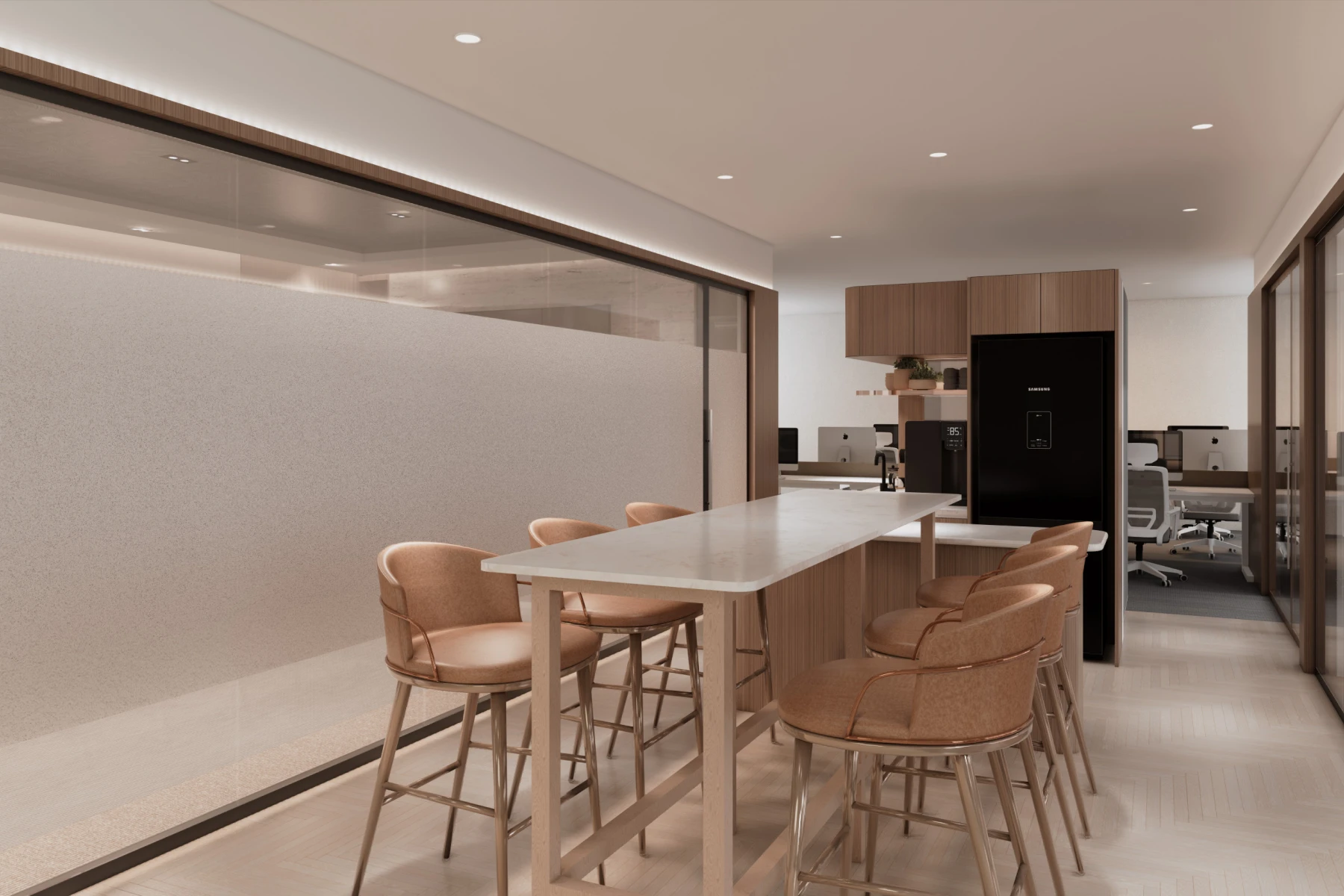
High-top tables can be used for lunch, meetings, or laptop work
Modular furniture allows you to reconfigure spaces as your team grows
Office interior renovation isn’t just about aesthetics—it’s about designing with adaptability in mind.
4. Create Quiet Zones and Focus Pods
Even in large offices, quiet zones are essential for deep work. Carve out corners or use acoustic booths for solo focus work, phone calls, or one-on-one meetings.
Work with an office renovation company that understands acoustics—because visual openness shouldn't come at the cost of noise control.
5. Keep the Circulation Clear and Logical
Don’t forget the in-between spaces. Walkways, entry points, and connections between zones should be wide, intuitive, and unobstructed. This improves flow and avoids traffic bottlenecks, especially during busy periods.
An experienced office renovation company Singapore businesses rely on will design layouts that naturally guide movement while keeping zones visually distinct.
6. Use Lighting to Define Mood and Function
Lighting has a powerful effect on how we experience a space. Brighter, task-focused lighting works well in work zones, while warmer, softer lighting can mark out informal areas like lounges or pantry spaces.
Layered lighting helps separate zones without building walls—another great tool for preserving the open feel.
Design Smarter with Singapore’s Trusted Office Renovation Experts
If you’re planning a commercial office renovation or simply refreshing your space, the right design decisions can turn a large open floor into a high-performing, visually seamless environment.
We specialise in office space renovation and understand the balance between functionality and aesthetics. Whether you need to separate departments, create meeting zones, or improve focus areas, our team provides tailored office interior design service Singapore companies trust.
Contact us today for a free consultation to discuss your dream space!
Explore our extensive portfolio of office projects to inspire your next renovation.
Share
Link copied!
Tags
Office
Insights from the DreamR Team
EXPLORE all blog
September 9, 2026
min. read
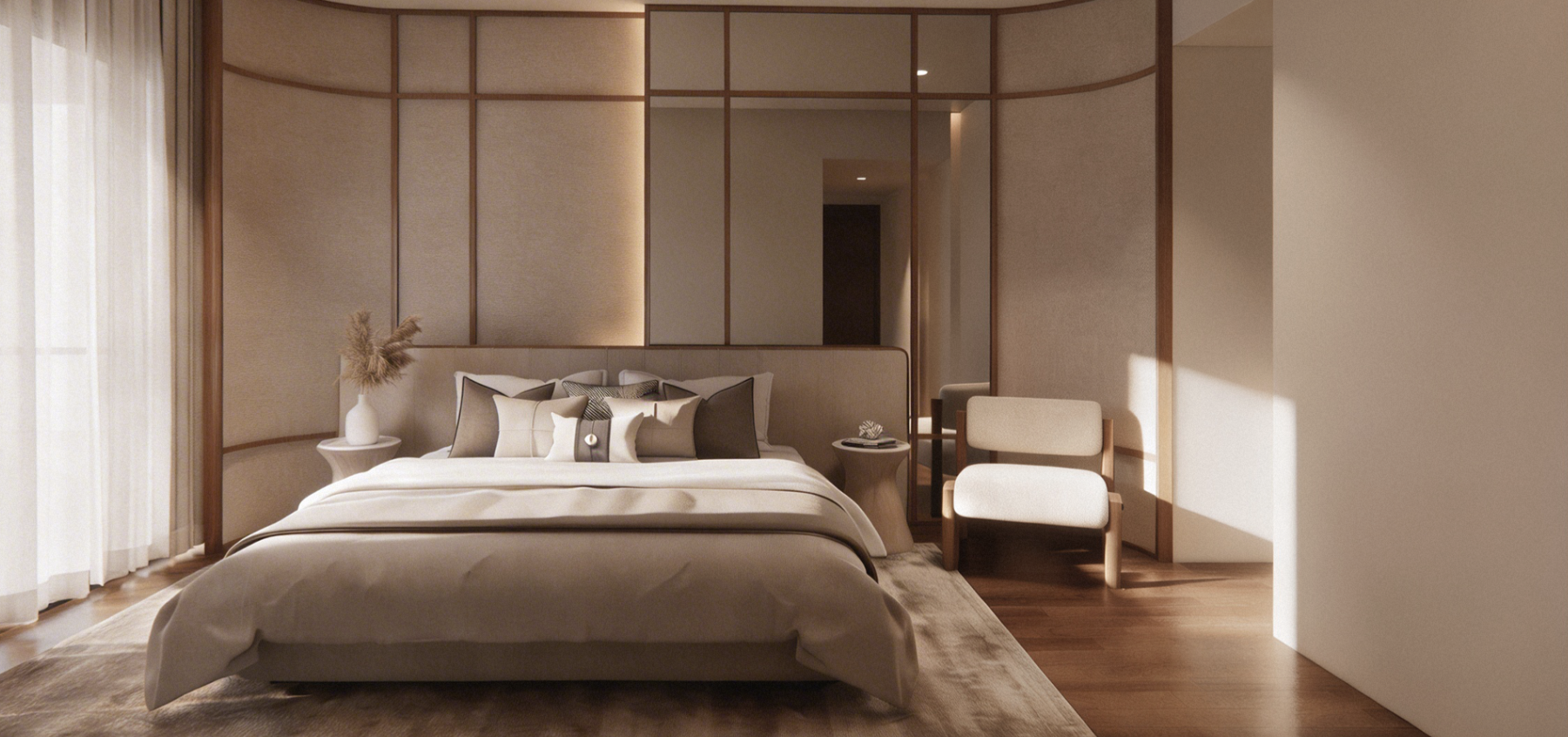
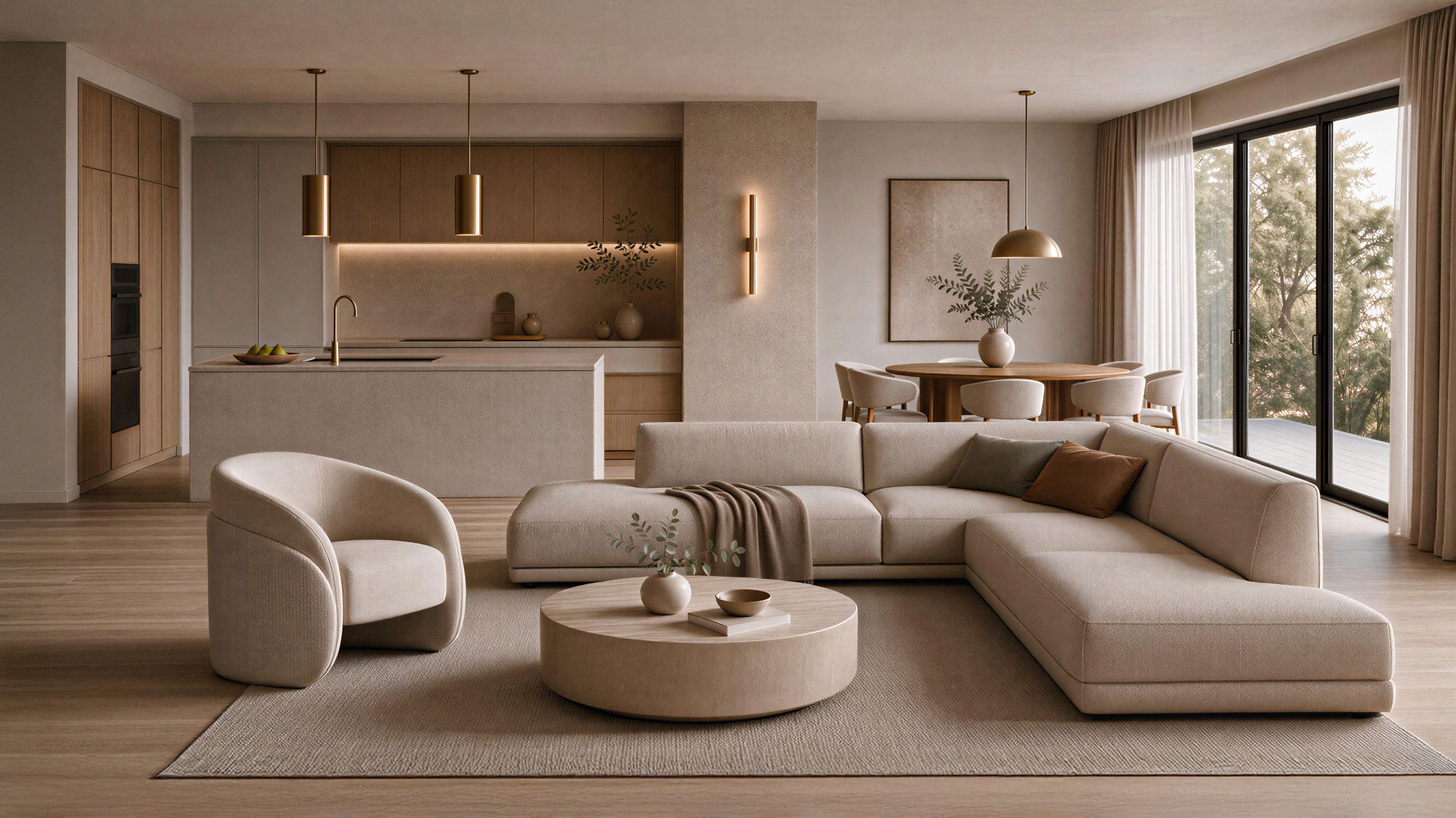
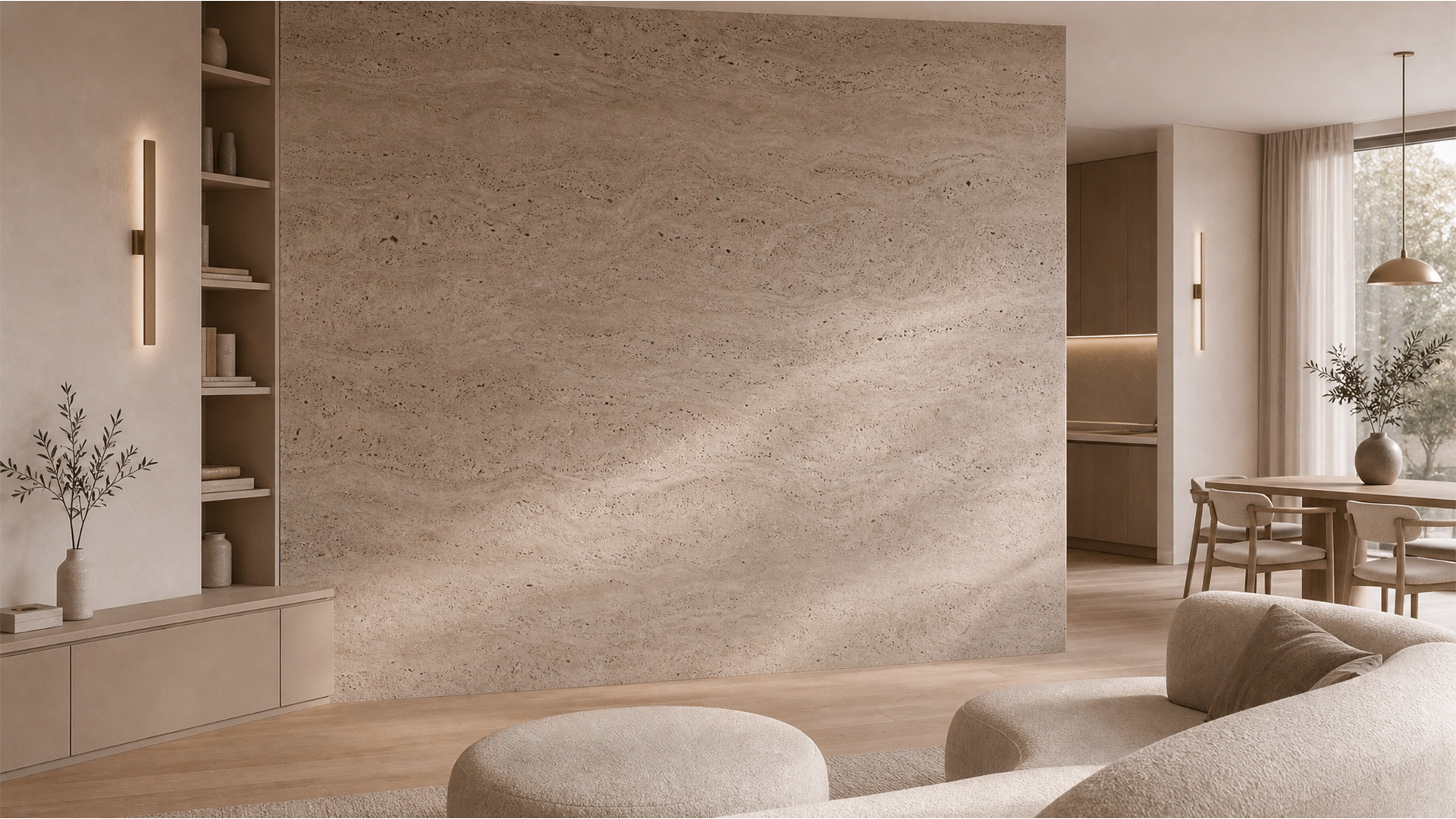
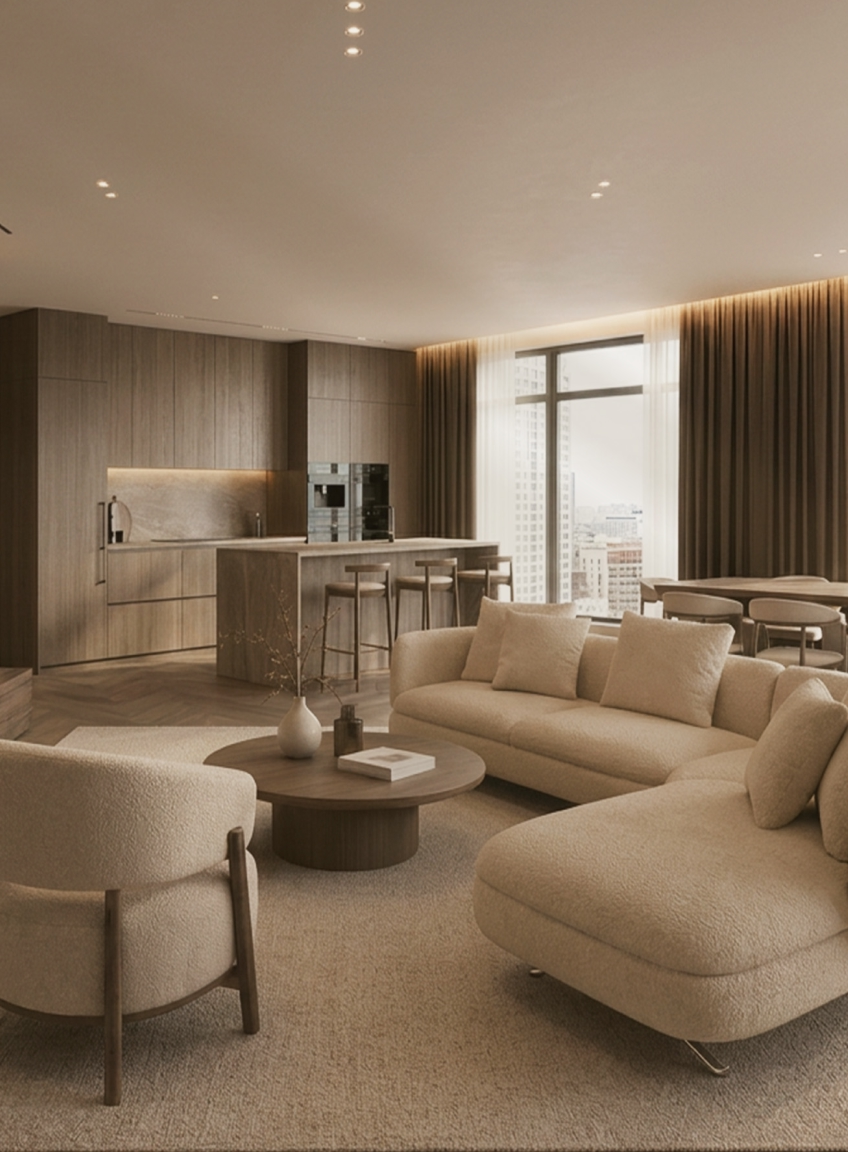
I walked into a client’s stunning colonial home last month, with its soaring ceilings and beautiful original proportions, and felt my heart sink. Every surface was beige. Beige walls, beige sofas, beige carpets, beige curtains. It was like stepping into a sepia photograph: beautiful, but utterly lifeless.
After years of designing homes around the people who live in them, I have come to recognise the signs of what I call “beige paralysis”. It is the safe, neutral territory homeowners retreat to when they are afraid of making the wrong choice. Yet playing it safe can be the riskiest design decision of all.
Beige is not just a colour. It can become a mindset. And when every choice is guided by caution, a home loses the opportunity to feel truly personal.
THE GREAT BEIGE EPIDEMIC
Don’t misunderstand me. I’m not advocating for rainbow walls or circus-themed living rooms. There is absolutely a place for neutral palettes in sophisticated design. But the beige I’m talking about isn’t sophisticated neutrality. It’s design by default. It’s the colour equivalent of ordering vanilla ice cream every time you visit a gelato shop with fifty exotic flavours.
The beige epidemic began in the early 2000s, when “resale value” became the driving force behind every design decision. Homeowners were told that bold choices would alienate future buyers and that playing it safe was playing it smart. The result? An entire generation of homes that look like they were designed by committee: pleasant enough, but devoid of personality.
But here’s the irony: the most memorable and valuable homes are the ones with distinct character. They’re the properties that buyers remember long after viewing dozens of beige boxes.
WHY WE CLING TO BEIGE
I understand the appeal. Beige feels safe because it’s inoffensive. It won’t clash with your grandmother’s furniture or that artwork you bought on holiday. It creates a blank canvas that, in theory, allows other elements to shine.
But that’s exactly the problem. A blank canvas is only valuable if you’re planning to paint on it. Most beige rooms stay blank forever, creating spaces that feel more like waiting rooms than homes.
There’s also the fear factor. Colour requires commitment, and commitment requires confidence. It’s easier to choose beige than to risk choosing the wrong colour. But what we perceive as “wrong” is often simply different from what we expected, and different can be extraordinary.
WHAT SOPHISTICATED NEUTRALS ACTUALLY LOOK LIKE
True neutral sophistication isn’t about avoiding colour. It comes from understanding the subtle complexities within seemingly simple palettes. The most elegant neutral rooms I’ve designed use what I call “complex neutrals”: colours that shift throughout the day, revealing different qualities as the light changes.
A warm grey with lavender undertones can feel serene in the morning and sophisticated at dusk. A soft putty with hints of gold may glow in the afternoon sun, while a cream with the faintest whisper of peach can make skin look luminous and a space feel more embracing.
These aren’t beige. They’re neutrals chosen with intention and given soul.
THE POWER OF PURPOSEFUL COLOUR
The colours within a room can reveal something about who you are, how you live and what you value. A deep navy dining room may suggest an appreciation for drama and intimacy. Sage green might reflect a sense of peace found in nature, while rich terracotta brings warmth and creativity to a space.
When clients tell me they “don’t know what colours they like”, it often means they haven’t yet given themselves permission to have preferences. Colour is deeply personal, and discovering your own palette can open up an entirely new way of expressing yourself.
BEYOND THE BEIGE BOX: BUILDING COLOUR CONFIDENCE
If you’re ready to move beyond beige but don’t know where to start, begin with what already inspires you. Look at your wardrobe. The colours you enjoy wearing often translate beautifully into your living spaces. Notice the photographs you’re drawn to, the restaurants where you feel most comfortable and the hotel rooms where you sleep best.
Start small. Paint a powder room in the dusty blue you love but have been too afraid to try. Add cushions in rich burgundy or forest green. Introduce artwork that makes you smile, regardless of whether it “matches” everything else.
THE SOPHISTICATED ALTERNATIVE TO SAFE
Sophisticated use of colour begins with intention. You might choose a soft, muted sage because it reminds you of your grandmother’s garden, rather than because it happens to be trending. You might paint your bedroom the colour of dawn simply because it brings you a sense of peace, not because a magazine claims it will improve your sleep.
The most successful rooms I design have what I call “colour confidence”: a clear point of view shaped by choices that feel personal and polished. The palette may consist of only two or three colours, but each one has a reason for being there.
COLOUR AS INVESTMENT, NOT RISK
Here's a truth the beige advocates won't tell you: the right colours actually increase the value of your home. Not because they appeal to everyone, but because they create memorable, distinctive spaces that stand out in buyers' minds.
I’ve seen bold choices, such as a dramatic black powder room, a library painted in deep forest green or a kitchen with stunning blue cabinets, become the selling points that close deals. These rooms have personality, and personality is what transforms a house from a commodity into a home.
THE BEIGE TEST
Ask yourself: when you walk into your home, do you feel energised and inspired, or do you feel nothing at all? Do your rooms reflect your passions, your travels and your story, or could they belong to anyone?
If your home could appear in a stock photo catalogue, you may still be living in the age of beige, even if your palette consists of grey, white or cream. The problem isn't the specific colour; it's the lack of intention behind the choice.
YOUR PERSONAL COLOUR REVOLUTION
Moving beyond beige doesn’t require a complete renovation or an unlimited budget. Sometimes, it begins with giving yourself permission to have preferences, make choices that feel true to you and create spaces for the life you live, rather than for a hypothetical future buyer.
Start with one room, one wall or one piece of furniture. Choose something because it speaks to you, not because it's safe. Notice how different you feel in that transformed space. I guarantee you'll wonder why you waited so long.
The age of beige was about playing it safe in an uncertain world. But we're no longer in that world. We're in an age where authenticity is valued over conformity, where personal expression is celebrated over bland uniformity.
Your home should be the most personal space you inhabit. It should reflect your journey, your joys, your unique way of seeing the world. It should feel like coming home, not checking into a generic hotel.
So I ask you again: Are you still living in the age of beige? And if so, isn't it time to write a new chapter?
Discover your authentic colour palette and create spaces that truly reflect who you are. Whether you are designing a landed home or condominium, DreamR can help you move beyond safe choices and create an interior with genuine personality and sophisticated colour confidence.
HOW DO I CHOOSE THE RIGHT COLOUR PALETTE FOR MY HOME?
Begin with colours you naturally respond to in your wardrobe, artwork or favourite places. Then consider how each shade appears under the natural and artificial light in your home. A well-designed palette should feel personal while remaining cohesive across the space.
HOW CAN I ADD COLOUR WITHOUT OVERWHELMING A NEUTRAL INTERIOR?
Start with smaller elements such as cushions, artwork, rugs or a single painted wall. Muted shades of sage, terracotta, burgundy or blue can introduce depth while preserving the calm quality of a neutral interior.
CAN A NEUTRAL INTERIOR STILL HAVE PERSONALITY?
Yes. Personality can come through subtle undertones, contrasting materials, layered textures and carefully chosen accent colours. The key is to select every element with intention rather than relying on beige, white or grey by default.
COLOUR IN INTERIOR DESIGN: ARE YOU STILL LIVING IN THE AGE OF BEIGE?
August 28, 2026
min. read
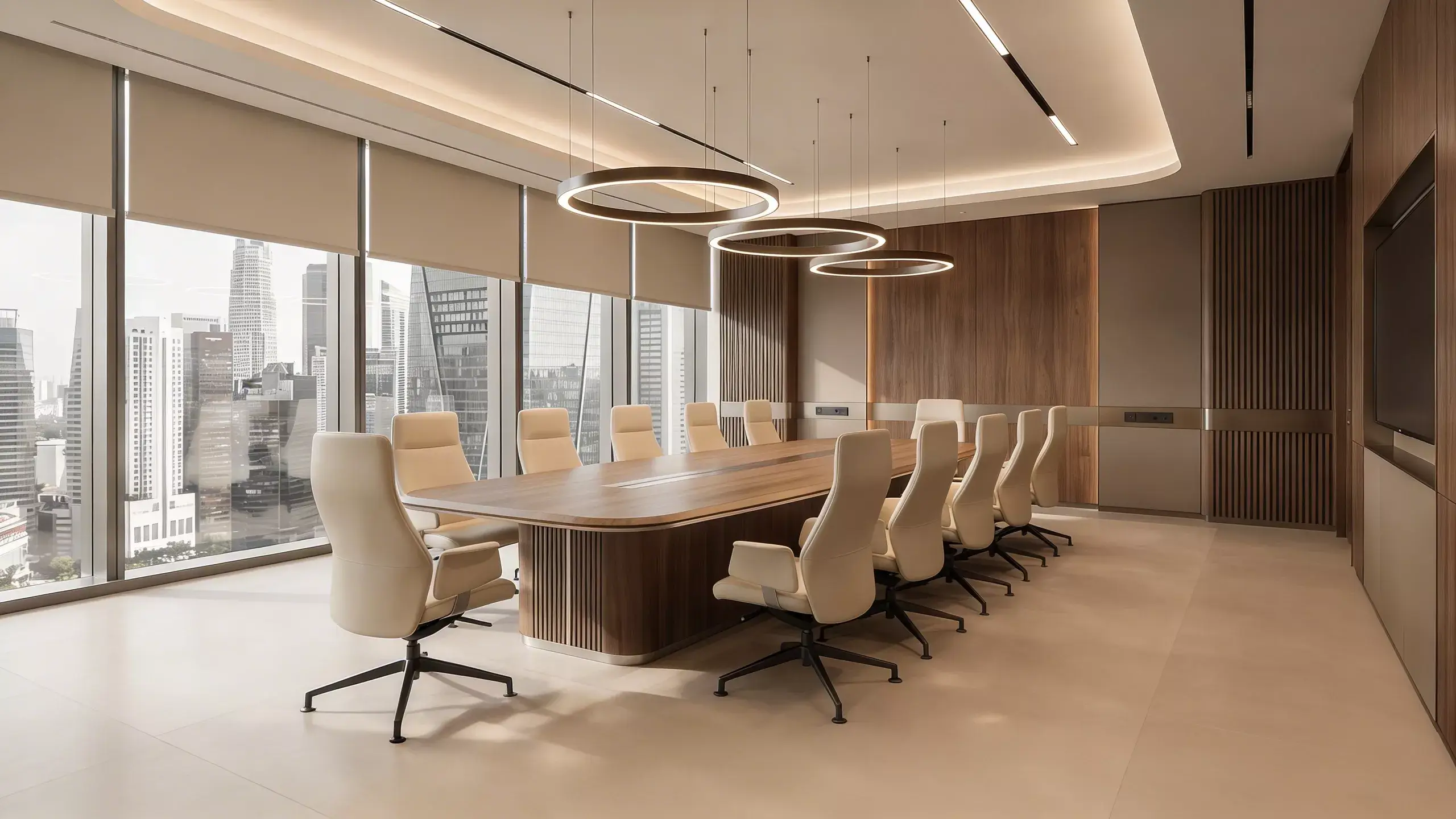
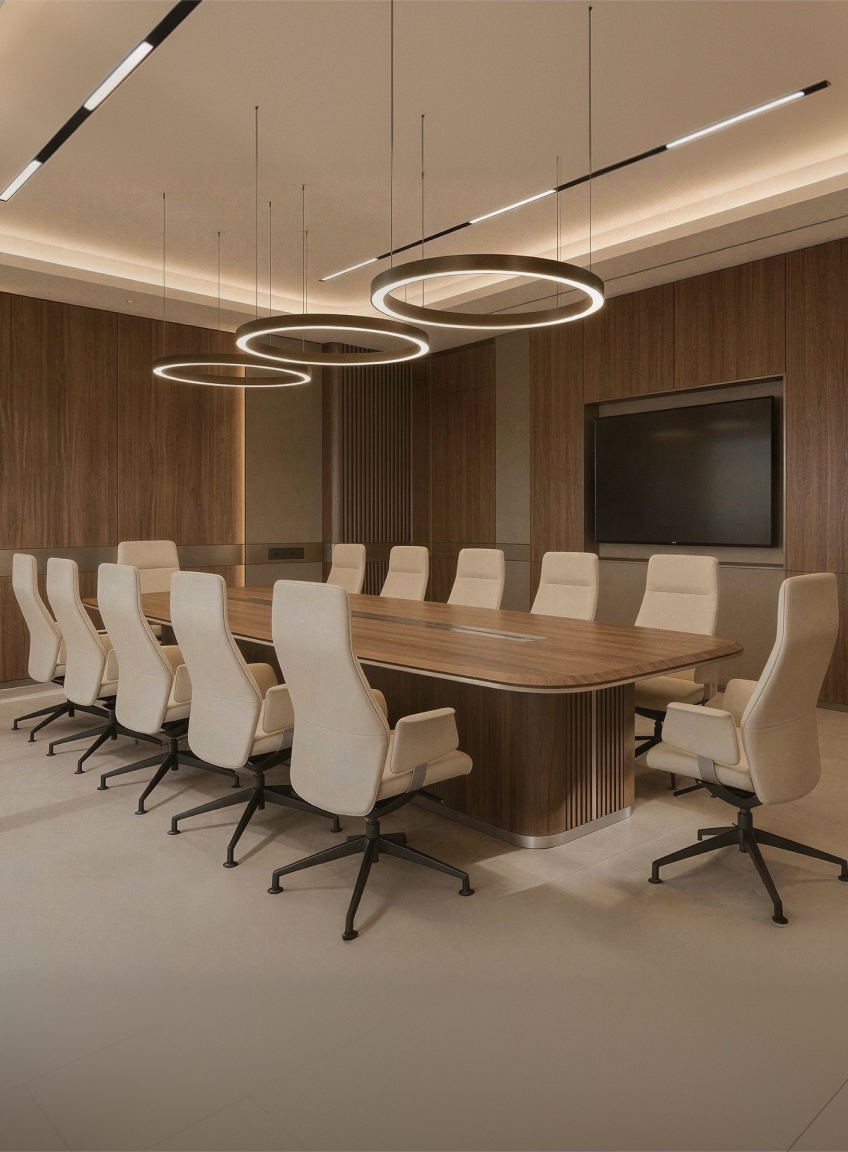
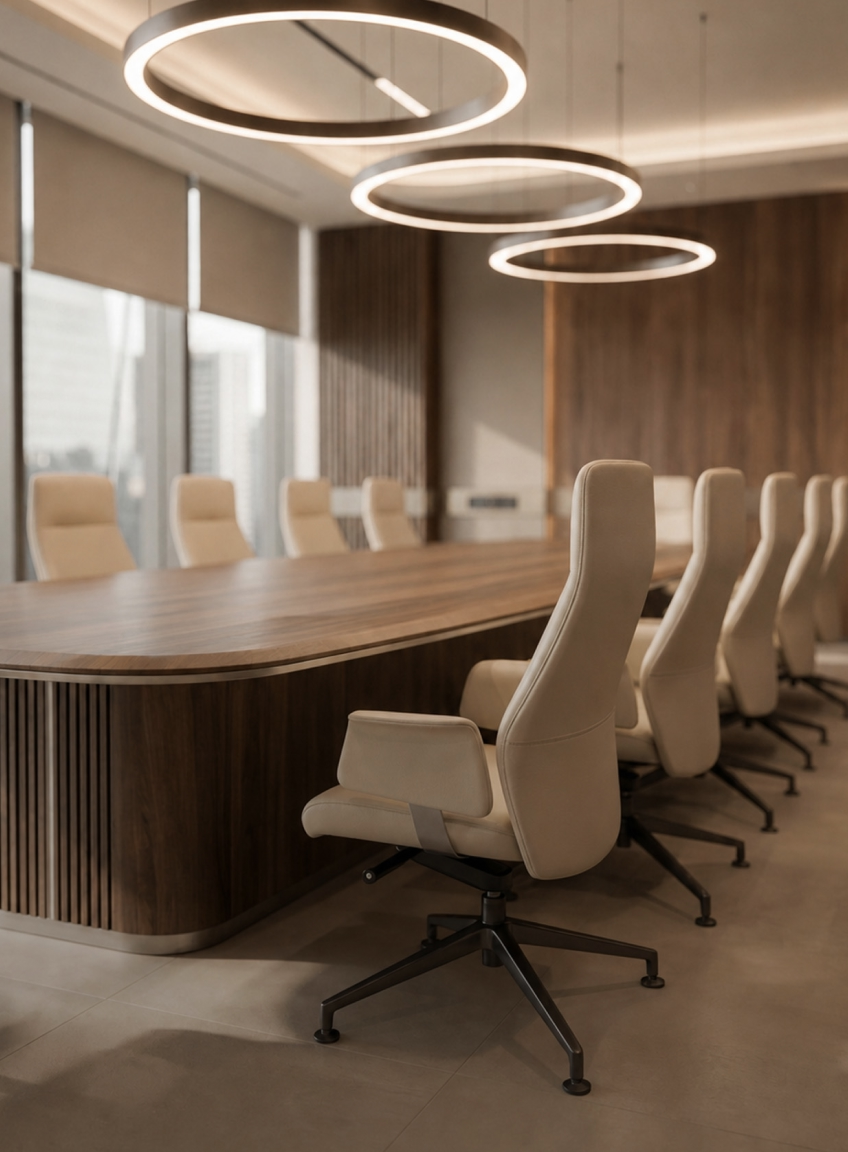
Designing a conference room begins with understanding its role within the workplace. It hosts important decisions, receives clients and connects teams across locations, so performance and presence matter in equal measure. Proportion, privacy, acoustics, lighting, materials and technology should be resolved together, with each decision supporting the next.
The considerations below explain how to bring these elements into one coherent design that supports how the organisation meets and how it wishes to be perceived.
1. FUNCTION FIRST: PLANNING AROUND HOW THE ROOM WILL BE USED
Before considering the room’s appearance, begin by understanding how it will be used. The number of users, types of meetings and level of flexibility required will influence the layout, furniture, technology and acoustic planning. Establishing these needs early helps ensure that each element works together and supports the room’s intended purpose.
Key Functional Considerations:
• Capacity and Regular Use: Determine how many people will use the room most often, as well as its maximum capacity. This will influence the table proportions, number of chairs, circulation space and overall room dimensions.
• Meeting Formats: Consider the types of meetings the room will support.
Formal Board Meetings: Plan for a composed setting, clear sightlines to speakers and displays, and convenient access to power at each seat.
Collaborative Sessions: Use flexible furniture, writable surfaces or digital collaboration tools where the room needs to support workshops, discussions and smaller breakout groups.
Hybrid Meetings: Coordinate audiovisual systems, camera placement and acoustic treatment with the seating layout so that in-room and remote participants can see, hear and contribute clearly.
• Specific Activities: Identify whether the room will be used for client presentations, video conferencing, training sessions, product demonstrations or several of these functions. Each activity will place different demands on the layout and technical setup.
These requirements should be considered in relation to one another. A modular table arrangement, for example, affects circulation, sightlines, power access and the positioning of cameras and microphones. In a client-facing room, these practical decisions also shape its formality and visual character. Resolving them together allows the conference room to accommodate different meeting formats without losing spatial coherence or the considered quality expected of the wider workplace.
2. ACOUSTIC PLANNING: BALANCING SPEECH CLARITY AND PRIVACY
Good conference room acoustics serve two distinct purposes: improving speech clarity within the room and limiting sound transfer to surrounding spaces. This is especially important in a large office with an open-plan layout, where reverberation and noise from adjacent areas can interrupt discussion. Acoustic treatment and sound isolation should therefore be planned early, alongside the room’s layout, materials and audiovisual systems.
Strategies for Better Conference Room Acoustics:
• Sound Isolation: During an office interior renovation, consider the construction of walls, ceilings, glazing and doors as a complete system. Dense insulation, multiple layers of plasterboard, acoustic membranes and properly sealed junctions can help limit sound travelling into and out of the room.
• Acoustic Panels: Use fabric-wrapped wall or ceiling panels to absorb reflected sound, reduce reverberation and improve speech clarity. Their placement should respond to the room’s proportions and reflective surfaces. Integrating them into the wall composition, ceiling or joinery allows them to contribute to the design.
• Material Selection: Balance hard finishes such as glass and polished concrete with carpet, upholstered seating or selected textile surfaces that can absorb sound. This allows the room to retain its intended material character while supporting acoustic comfort.
• Spatial Arrangement: Coordinate the table, speakers, microphones and displays with the seating plan and acoustic treatment. Their positioning will influence how clearly participants can hear and contribute across different meeting formats.
When engaging an office interior design company in Singapore, make it a key point of discussion to understand their approach to acoustics in large renovation office projects. Poor acoustics can truly undermine even the most technologically advanced and aesthetically pleasing meeting setups, impacting both collaboration and confidentiality.
3. ADJUSTABLE LIGHTING: BALANCING DAYLIGHT, SCREENS AND ATMOSPHERE
Conference room lighting should support face-to-face discussion, presentations and video calls while controlling glare and maintaining clear screen visibility. Natural light can give the room a more open quality, but its intensity changes throughout the day. Daylight and electric lighting should therefore be planned together so the room can adapt to different meeting formats without losing visual comfort or atmosphere.
Conference Room Lighting Considerations:
• Controllable Natural Light: Use blinds, automated shades or, where appropriate, electrochromic glass to manage glare and brightness throughout the day. Select the solution according to the room’s orientation, window dimensions and relationship to presentation screens.
• Layered Lighting: Combine different light sources so the room can support a wider range of activities.
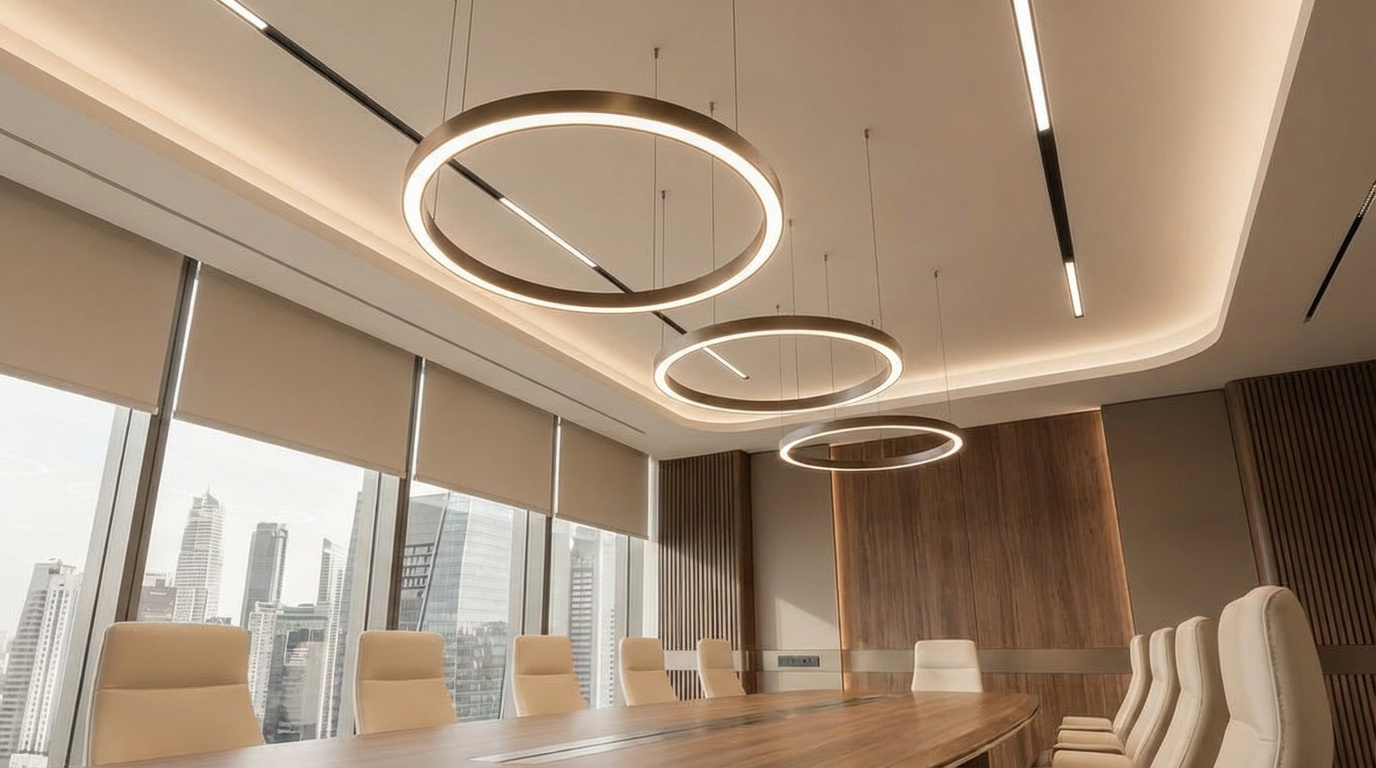
Ambient Lighting: Use dimmable recessed lights or linear LED fixtures to provide even general illumination.
Task Lighting: Introduce focused illumination around the conference table to support reading and detailed work without creating glare on screens.
Accent Lighting: Use wall lights, concealed lighting or carefully positioned pendants to draw attention to material details, artwork or architectural features while shaping the room’s visual character.
• Adjustable Colour Temperature: Select colour temperatures according to visual comfort, camera rendering, interior finishes and the character of the room. Tunable lighting may be useful where daylight conditions or meeting formats change considerably.
• Intuitive Controls: Use a lighting control system that allows users to adjust brightness and activate preset scenes for presentations, discussions or video calls. Keep the controls simple and coordinate them with the audiovisual system.
Planning daylight control, electric lighting and controls as one system allows the room to move easily between discussions, presentations and video calls. Each setting can then support the activity at hand while preserving the atmosphere and material character of the space.
4. INTEGRATED TECHNOLOGY: SUPPORTING MODERN COLLABORATION
As workplace communication becomes increasingly digital, technology now shapes how teams meet, present and collaborate across locations. In the conference room, this includes video conferencing, wireless screen sharing, interactive displays and integrated sound. These systems need to be reliable and intuitive while remaining discreet within the architecture. Exposed cabling, poorly positioned hardware and complicated controls can disrupt the room’s visual coherence and make everyday meetings more difficult to manage.
Principles for Integrated Room Technology:
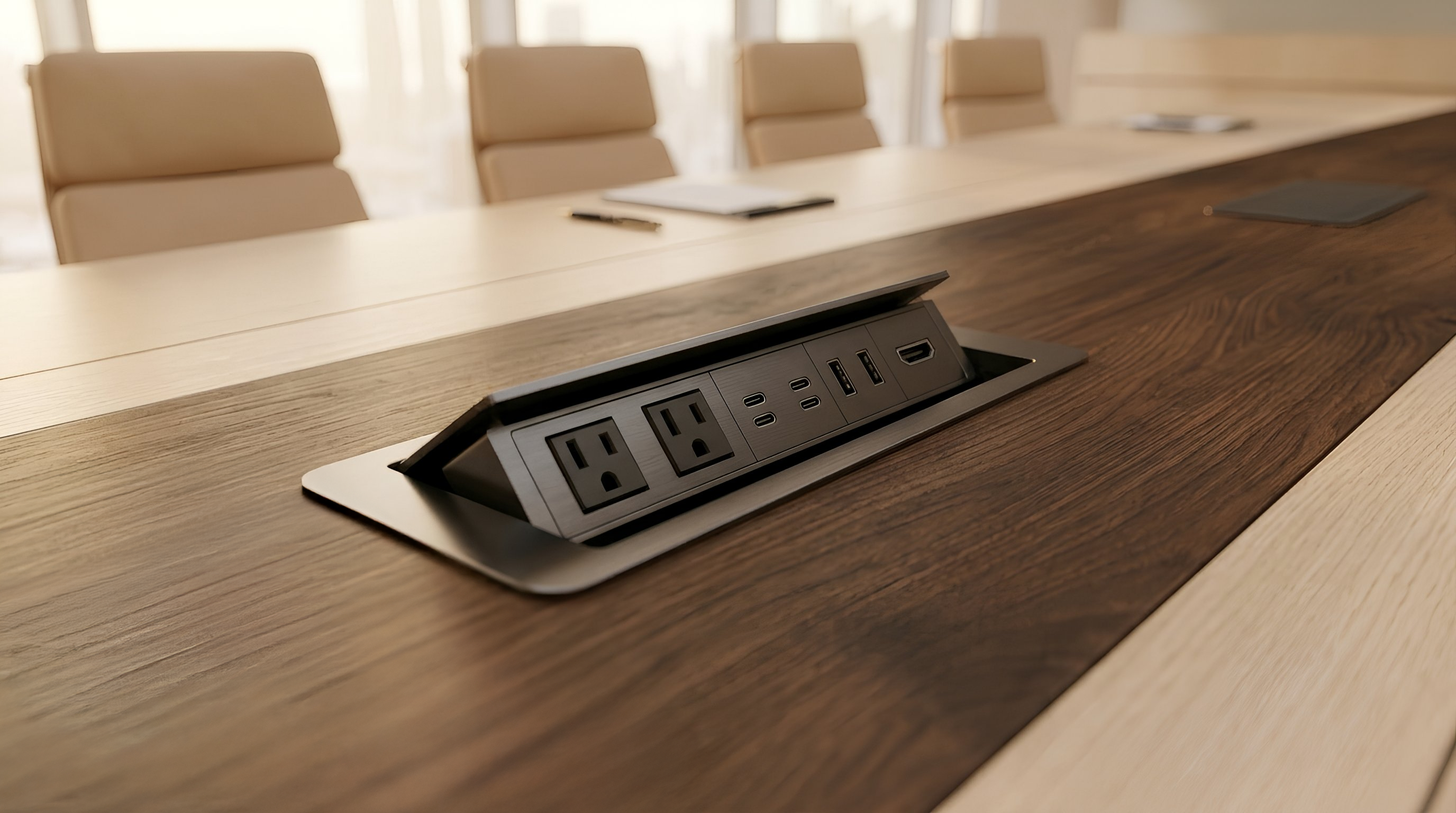
• Built-in Panels and Cable Management: Integrate media panels, floor boxes and cable routes into tables, walls and joinery to keep power and data connections organised. Balance concealment with practical access for servicing, replacement and future adjustments.
• Centralised Control Systems: Use a single, intuitive interface to manage audiovisual equipment, lighting and, where appropriate, other room settings. Clearly label the controls and align them with how employees conduct meetings.
• Audiovisual Equipment: Select cameras, microphones, speakers and displays according to the room’s dimensions, seating layout and meeting formats. Test microphone coverage and camera angles across all seats so that in-room and remote participants can follow the discussion clearly.
• Wireless Connectivity: Use wireless screen sharing to reduce setup time and allow participants to present from different devices. Confirm compatibility with the organisation’s preferred platforms, network requirements and security standards before specifying the system.
• Integrated Charging: Incorporate power sockets, USB charging points or wireless charging into the conference table, giving users convenient access without loose cables extending across the room.
Technology should be resolved as part of the conference room design rather than added after the spatial plan is complete. Coordinating it with furniture, services and architectural details allows the room to retain a composed visual character while remaining practical to operate, maintain and adapt.
5. COMFORT AND FOCUS: DESIGNING AROUND THE PEOPLE IN THE ROOM
Meetings in large offices can extend for hours, placing greater demands on physical comfort and concentration. Seating, spatial proportions, lighting and air distribution all shape how participants experience the room and remain engaged with the discussion. A considered conference room responds to these needs through design decisions that support sustained use while preserving its formal character.
Design Considerations for Comfort and Focus:
• Ergonomic Seating: Choose conference chairs with appropriate lumbar support, adjustable height and sufficient cushioning for the expected meeting duration. Check their proportions against the table and circulation space so users can sit comfortably and move around the room without obstruction.
• Table Proportions and Finish: Size the conference table according to the room dimensions, number of users and equipment required. Allow adequate personal space for laptops and documents, and consider a matt or low-sheen surface to reduce reflections under lighting and on camera.
• Layout and Sightlines: Select the table configuration according to the meetings the room will host. A rectangular table may suit formal discussions, while U-shaped arrangements can support presentations and round tables can encourage more direct exchange in smaller groups. Test the view of screens, presenters and other participants from every seat.
• Colour and Material Palette:Develop the colour palette in relation to the room’s lighting, material finishes and wider workplace identity. Use restrained tones and controlled contrast to create a composed backdrop, then introduce depth through texture, natural material variation or selective brand colours.
Comfort depends on how these decisions work together. Review the room at full occupancy to assess circulation, sightlines, personal space and the relationship between the chairs and table. This gives the design team a clearer view of how the setting will feel during longer meetings and where further refinement may be needed.
6. BRAND EXPRESSION: CREATING A DISTINCTIVE CLIENT-FACING SPACE
For organisations that regularly host clients, partners and senior stakeholders, the conference room is one of the workplace’s most visible client-facing spaces. Its proportions, materials and detailing can reflect your brand identity, communicating qualities such as precision, openness or discretion before a meeting begins. Brand expression should therefore be considered as part of the interior architecture, with each element contributing to a coherent and recognisable environment.
Ways to Express Brand Identity Through Design:
• Branded Signage: Position the company name or logo where it forms a natural part of the arrival experience or room composition. Consider its scale, material and lighting carefully so that it remains legible without dominating the space.
• Custom Feature Wall: Develop a focal wall through material, texture or commissioned artwork that reflects the organisation’s visual language. Coordinate it with screens, acoustic treatment and lighting so that the elements read as one considered composition.
• Curated Artwork: Select pieces that connect with the organisation’s values, industry, heritage or geographic presence. The artwork should feel relevant to the business and appropriately scaled to the room.
• Integrated Brand Details: Introduce recognisable colours, motifs or graphic elements through joinery, acoustic panels, upholstery or selected surfaces. Keep these details restrained so they add identity without making the room feel overly branded.
• Materials and Detailing: Specify finishes that reflect the character the organisation wants to convey, whether measured and discreet or warm and expressive. Consistent junctions, durable materials and carefully resolved furniture and lighting can communicate attention to quality through the design itself.
Develop these elements within the wider office interior design from the outset. Coordinating materiality, artwork, lighting and brand details allows the conference room to express the organisation clearly while retaining the restraint expected of a client-facing space.
BEGIN YOUR CONFERENCE ROOM INTERIOR DESIGN AND RENOVATION
Designing a conference room for a large office requires spatial judgement, technical coordination and a clear understanding of how the organisation meets. Layout, acoustics, lighting, technology and materiality must respond to one another, creating a room that supports focused discussion, hybrid collaboration and client engagement while remaining consistent with the wider workplace.
DreamR approaches office interior design and renovation by aligning operational requirements with spatial character, technical precision and quality of execution. If you are planning a new conference room or wider office in Singapore, begin with a private consultation to discuss how the space should function and what it should express.
The right size depends on regular occupancy, table configuration, circulation, accessibility and the audiovisual setup. Begin with the maximum number of users, then allow sufficient space behind occupied chairs and around entrances. The room should support comfortable movement and clear sightlines without feeling oversized during everyday meetings.
WHERE SHOULD A CONFERENCE ROOM BE LOCATED IN AN OFFICE?
Position client-facing conference rooms near reception where possible, reducing visitor movement through private work areas. Internal meeting rooms may sit closer to the teams using them most. Also consider daylight, surrounding noise, access to building services and the level of separation required for confidential discussions.
DO CONFERENCE ROOM RENOVATIONS REQUIRE APPROVAL IN SINGAPORE?
Requirements depend on the proposed work. Building works may require BCA plan approval, while proposed fire-safety works require SCDF approval. Confirm landlord and authority requirements before altering partitions, ceilings, doors, sprinklers, ventilation or escape routes.
How to Design a Conference Room for a Large Office
August 16, 2026
min. read
COMPLETE OFFICE FIT-OUT GUIDE IN SINGAPORE: FROM LEASE TO MOVE-IN
A successful office fit-out in Singapore begins with understanding what you need from your workplace. From assessing a prospective space and reviewing the lease to developing the design and preparing for move-in, each decision shapes how well the office will perform once occupied.
Starting early gives you a clearer view of the space’s possibilities, limitations and likely investment. It also gives you time to test important decisions before they become difficult or expensive to change.
WHAT DOES AN OFFICE FIT-OUT MEAN?
An office fit-out transforms an unfinished or vacant interior into a complete workplace, with the infrastructure, finishes and furnishings required for occupation. This may involve planning rooms and circulation, coordinating lighting, power, ventilation and plumbing, and introducing partitions, flooring, joinery and furniture.
Bringing these elements together as one design creates an office that feels coherent and supports how your organisation intends to work, meet and grow within the space.
1. PLAN FOR THE WORK, NOT ONLY THE HEADCOUNT
Headcount provides a starting point, but your workplace brief should reflect how your organisation operates. Two organisations with the same number of employees may require very different environments because of how their teams work, interact with clients and balance privacy with collaboration.
Begin by clarifying:
Why you are relocating
What your existing office no longer supports
How often employees are present
Which teams need to work closely together
How you receive clients
Where privacy or specialist spaces are required
How your organisation may change during the lease
Also consider what the office communicates to employees, clients and future hires. Each group experiences the workplace differently, yet all three form impressions of your organisation through it.
Use these insights to define the activities, relationships and experiences your office must support before deciding how many desks it should contain.
2. REVIEW THE NEW OFFICE LEASE
The lease will influence when the fit-out can begin, how the work must be carried out and the condition in which you must return the premises at the end of the tenancy.
Before signing the office lease, review:
Whether a rent-free fit-out period is offered
When your project team can access the premises
The landlord’s design submission and approval process
Restrictions on working hours, deliveries and signage
Any requirements governing alterations to the premises
Your reinstatement obligations when the lease ends
3. TEST-FIT THE SPACE BEFORE SIGNING THE LEASE
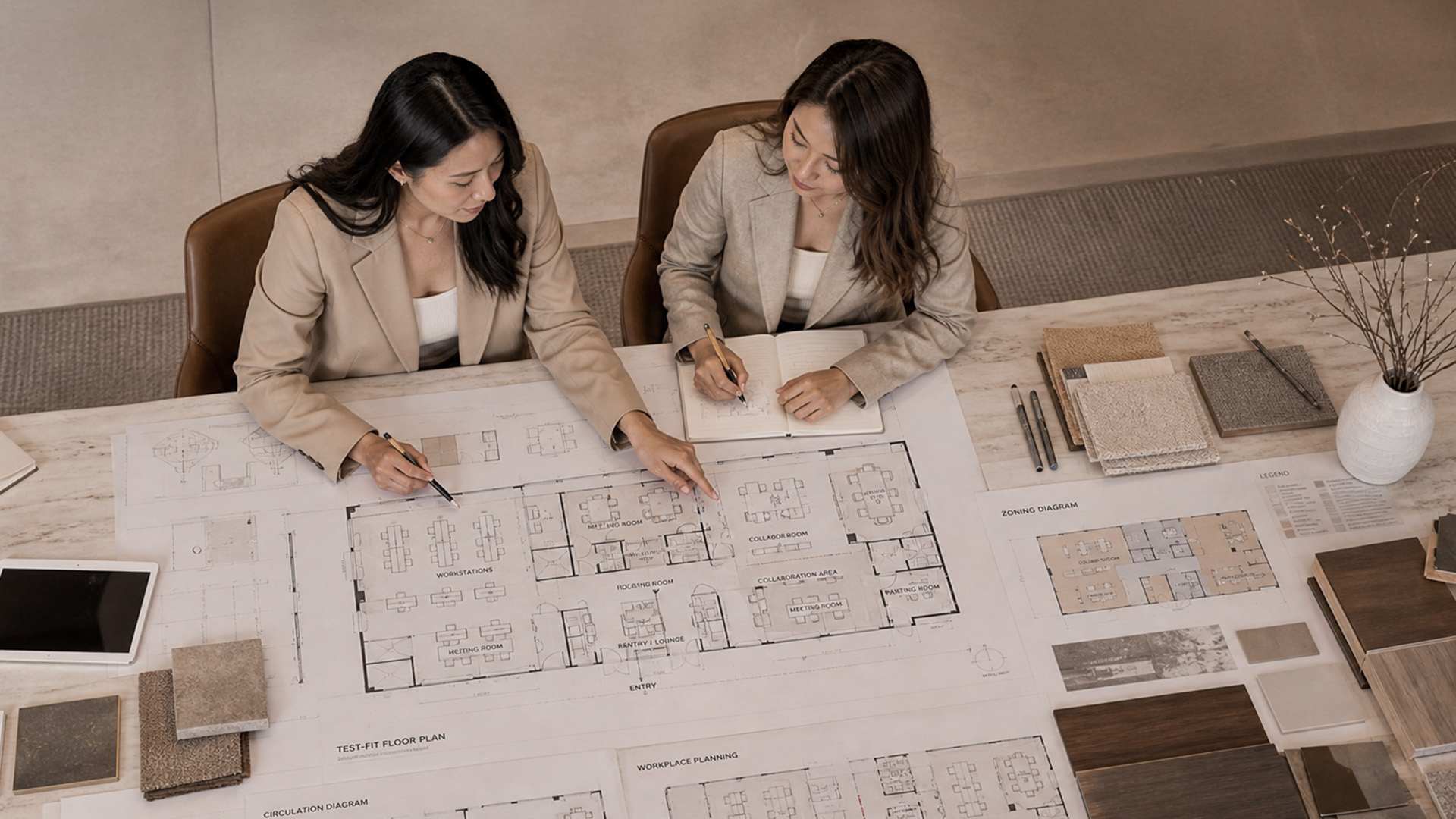
Once you have reviewed the lease, arrange a test-fit to see how your workplace requirements translate into the prospective floor plan. Rather than showing desk capacity alone, it should demonstrate how the office could function in daily use.
A test-fit can:
Establish a realistic workstation capacity with suitable clearances
Position meeting rooms, focus spaces, client areas and shared facilities
Explore which teams and activities should sit near one another
Map employee and visitor circulation through the office
Identify columns, entrances and service locations that may constrain the layout
Test how the space could accommodate future growth
These findings allow you to compare potential layouts and understand the compromises each one may require before committing to the space.
You may share your prospective floor plan with DreamR for a complimentary test-fit before you sign the lease.
4. ESTABLISH THE COMPLETE INVESTMENT AND PROGRAMME
Your office fit-out costs will depend on the condition of the premises, design scope, quality of finishes and extent of building-services work required.
The following indicative rates, calculated per square foot (psf), can support your early budgeting:
FIT-OUT LEVEL
INDICATIVE COST
TYPICAL SCOPE
Functional refresh
S$60 to S$100 psf
Paint, carpet, light partitioning and minimal mechanical and electrical (M&E) changes
Standard fit-out
S$100 to S$180 psf
Full M&E works, meeting rooms, quality finishes and some joinery
Premium or headquarters fit‑out
S$180 to S$300+ psf
Bespoke joinery, integrated AV, statement design and complex M&E works
Use these figures as a starting point rather than a fixed quotation. Your actual investment will become clearer once the existing space has been assessed and the final design scope defined.
When comparing office fit-out companies, review how clearly each proposed scope has been set out. Confirm what is included, excluded or supplied separately, together with the specifications and assumptions used. This will help you compare quotations fairly and understand the complete investment.
DreamR can develop an indicative budget alongside the test-fit, allowing you to consider the proposed layout and likely investment before committing to the space.
BEGIN PLANNING 9 TO 12 MONTHS AHEAD
Use this timeline to guide what you should address in the months leading up to your intended move-in date:
TIME BEFORE MOVE-IN
MAIN PRIORITY
12 to 9 months
Review the lease and define what the new workplace must support
9 to 6 months
Assess potential offices and conduct a test-fit before signing the new lease
6 to 4 months
Secure the lease and appoint your design team
4 to 2 months
Complete the design, approvals and procurement
Final two months
Carry out the fit-out, IT setup and relocation
Adjust the programme according to your project’s scale, landlord procedures, approval requirements and material lead times. Starting early gives you more time to compare spaces, refine the brief and make considered design decisions before construction.
If you already have an intended move-in date, DreamR can also help plan the design, approvals, procurement and fit-out around it.
5. DESIGN FOR EMPLOYEES, CLIENTS AND DAILY USE
Your office fit-out design should respond to employees who use the space every day, clients arriving for the first time and future hires considering your organisation. Plan the workplace around how each group will experience it.
GIVE EMPLOYEES SOMEWHERE TO RETREAT TO
Open work areas encourage interaction, but your employees will still need quieter settings for focused work, video calls and confidential conversations.
Plan the mix around how your team works. The right balance between open and closed office layouts will depend on how frequently employees collaborate, take calls or need uninterrupted time. Individual booths may suit frequent calls, while project rooms may better support teams reviewing drawings or physical materials together.
Position these rooms carefully and consider their acoustic separation, particularly where they sit beside meeting, social or collaborative areas.
PLAN SMALL PRIVATE ROOMS FROM THE OUTSET
Your employees may occasionally need privacy for nursing, prayer, personal wellbeing or a sensitive conversation. These rooms occupy relatively little floor area, but their need for discretion, acoustic separation and ventilation can limit where you place them.
Include them in the initial layout so their requirements can be coordinated with the surrounding rooms and building services. This helps you avoid later alterations or placing an important support space in an unsuitable leftover corner.
LET SHARED SPACES TAKE ON A WIDER ROLE
Some of the most useful areas in your office are those people return to for different reasons throughout the day.
Consider the pantry. Beyond everyday breaks, it may provide a natural setting for informal discussions, client lunches or small team gatherings. Brief these uses early so the layout can provide suitable seating, power, lighting and acoustic separation from nearby work areas.
Begin with the space’s principal daily purpose, then identify a few compatible secondary uses. This gives you flexibility without making the room difficult to arrange or manage.
6. COORDINATE DESIGN AND TECHNICAL REQUIREMENTS
Develop the interior alongside the systems that allow it to function. Pay particular attention to:
Lighting and acoustics: Match them to the activity. Your meeting rooms may need well-considered lighting for video calls and stronger acoustic separation for confidential discussions.
Power, data and ventilation: Coordinate them with the layout. Adding an enclosed room may affect air distribution, sprinklers, lighting and the placement of power points.
Materials and finishes: Choose them according to use. Pantry counters and flooring along main circulation routes need to withstand moisture, impact and frequent cleaning. When selecting office flooring, also consider acoustic performance, comfort, maintenance and daily foot traffic.
Furniture and technology: Confirm key pieces early. Your meeting table and screen position will influence circulation, camera views, lighting and power access. Planning how you will integrate technology into the workplace also helps prevent equipment from complicating the interior.
Review these relationships before construction begins. Early coordination reduces later alterations and helps the technical elements sit naturally within the completed office.
7. COORDINATE CONSTRUCTION, REINSTATEMENT AND RELOCATION
Your new fit-out, existing-office reinstatement and relocation should be managed as one programme. Align when the new workplace will be ready, when you can vacate your current office and when it must be returned to the landlord. This helps identify gaps or overlaps before they place pressure on the move.
DreamR can coordinate these timelines as part of the wider fit-out programme, helping you maintain a considered transition between the two offices.
During construction, review the work at stages when changes can still be made. Allow sufficient time after completion to test the office and address defects before your employees arrive.
Your relocation plan should also account for the transfer of people, equipment and workplace systems around the intended move-in date.
OFFICE FIT-OUT CHECKLIST AT A GLANCE
Before proceeding, confirm that:
You have clearly defined your workplace requirements.
You have reviewed the lease and reinstatement terms.
The space and existing building services have been assessed.
A test-fit has examined the floor plate.
You have considered employees, clients and future hires.
The design and technical systems have been coordinated.
You understand the complete investment and scope.
Approvals and long-lead items are reflected in the programme.
Fit-out, reinstatement and relocation are aligned.
The completed office will be inspected and tested.
PLAN YOUR OFFICE AROUND HOW YOU WORK
A successful office fit-out brings together the way your team works, the experience you want to create and the practical conditions of the space. When these considerations are addressed early, the completed workplace is more likely to remain functional, relevant and well suited to your organisation throughout the lease.
An office fit-out typically includes space planning, partitions, ceilings, flooring, lighting, mechanical and electrical works, air-conditioning modifications, fire-safety systems, power, data, joinery, furniture and meeting-room technology. The exact scope depends on the condition of the premises, the building requirements and how your organisation intends to use the space.
HOW MUCH DOES AN OFFICE FIT-OUT TYPICALLY COST IN SINGAPORE?
Indicative office fit-out costs in Singapore range from approximately S$60 to S$100 per square foot for a functional refresh, S$100 to S$180 for a standard fit-out, and S$180 to S$300 or more for premium or headquarters-grade spaces. Scope, building services and existing conditions influence the final investment.
HOW LONG DOES AN OFFICE FIT-OUT TAKE?
The complete office fit-out journey may require 9 to 12 months of advance planning, although construction itself is usually shorter. The programme depends on the office size, design complexity, landlord procedures, required approvals, procurement lead times, reinstatement and relocation. Complex or highly tailored workplaces may require earlier decisions.
HOW TO CHOOSE A RELICABLE OFFICE RENOVATION CONTRACTOR IN SINGAPORE?
Review the contractor’s relevant office experience, credentials, proposed scope, material specifications and project-management process. Ask who will coordinate design, approvals and construction, and how variations will be managed. A clearly defined proposal and realistic programme are often more useful indicators than the lowest quotation.
Complete Office Fit-Out Guide in Singapore (2026)
August 14, 2026
min. read
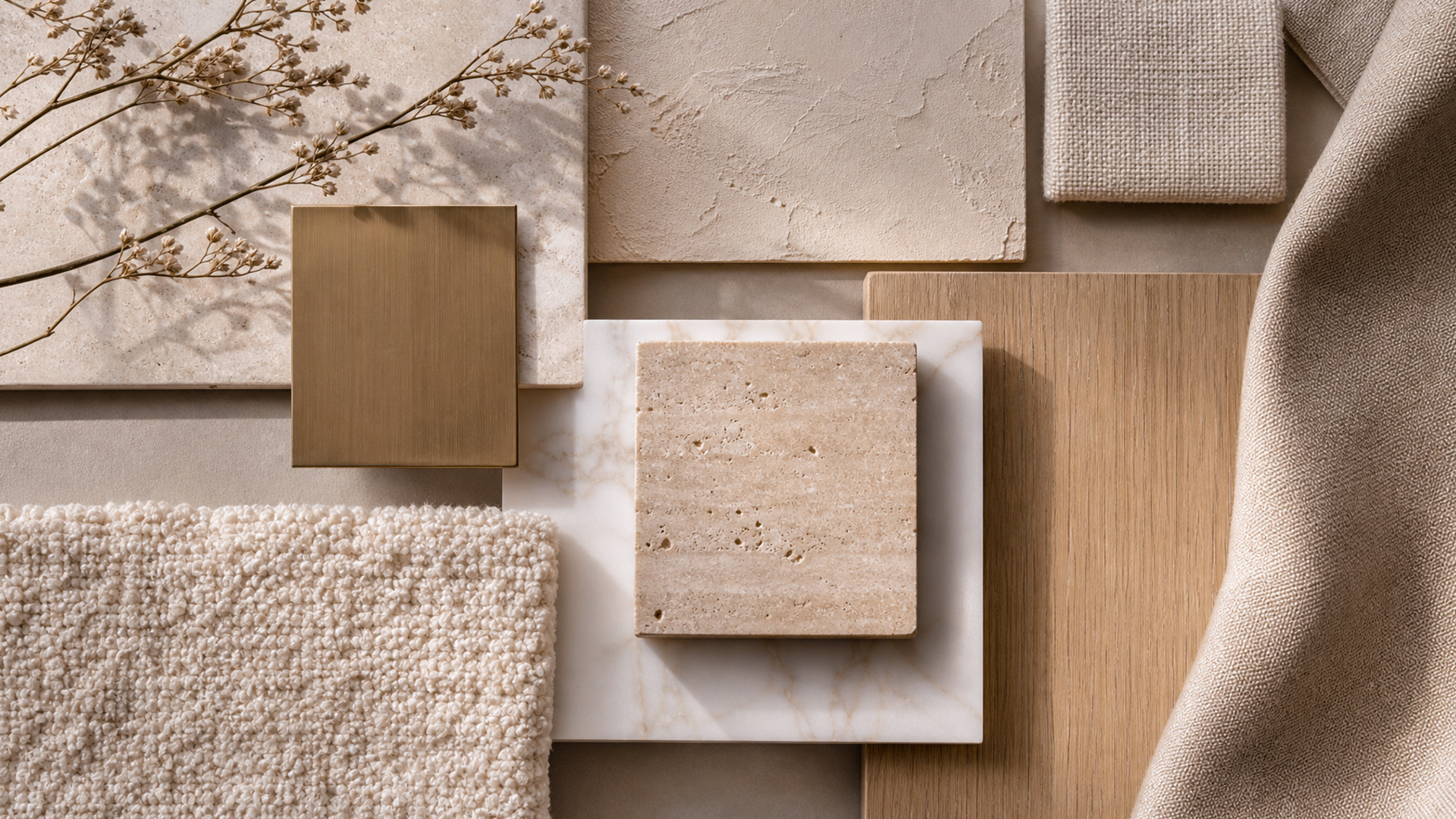
How to Choose Luxury Interior Materials for Singapore Homes
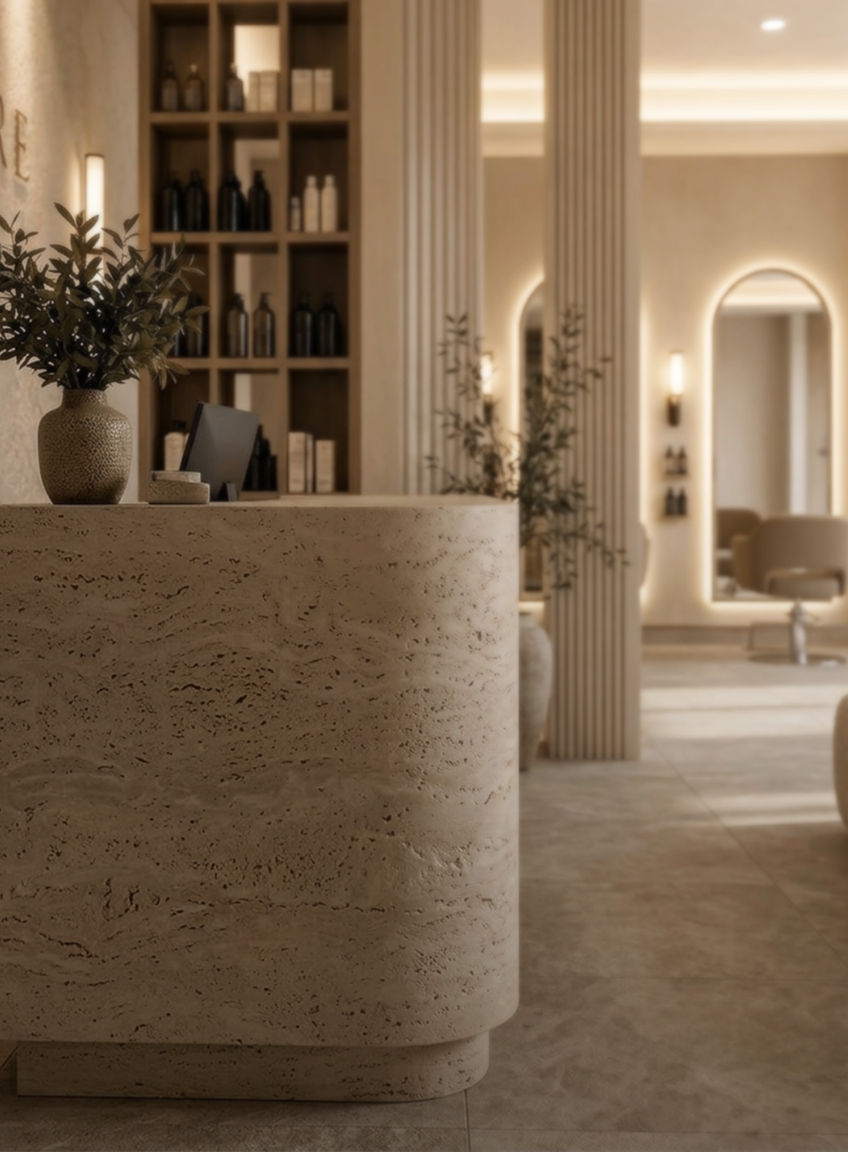
To choose luxury interior materials for a Singapore home, look beyond price or prestigious names. Consider the character and quality of the actual material, where it will have the greatest effect and how craftsmanship will shape the finished result.
You do not need to understand every technical detail, but knowing what to inspect and what to discuss with your design team will help you choose materials that feel refined, perform well and suit your home.
Step 1: Decide What Luxury Means to You
Luxury does not have to be dramatic. For some, it lies in the natural movement of stone or the depth of hand-finished timber. For others, it comes through restrained surfaces, finely made details and materials that reveal more of their character over time.
Think about the qualities you respond to most. You may appreciate natural variation and materials selected specifically for your home. Perhaps tactile richness matters more, such as the feel of a fabric, the weight of a handle or the softness of a honed surface. You may also be drawn to precise custom craftsmanship, where every detail feels carefully resolved.
This is not the same as choosing an interior style. It is about deciding what the materials should contribute to your experience of the home.
A refined interior might bring together softly veined stone, consistent timber grain and muted metal. A more expressive one may have room for distinctive marble or richly figured veneer. Both can feel luxurious when the materials are chosen with purpose and used with care.
Step 2: Choose Where Exceptional Materials Will Matter Most
Using premium finishes everywhere rarely makes a home feel more considered. In many cases, the opposite happens: there is so much to look at that none of the materials has room to make an impression.
It is more useful to identify a few places where their character can be fully appreciated.
A kitchen island, for example, may be large enough to reveal the movement of natural stone. Full-height joinery gives timber grain space to form a composition. At the entrance, a specialist wall finish can establish the mood of the home without needing to appear in every room.
Smaller details can carry their own kind of luxury. A custom handle is experienced through touch. A metal screen is appreciated through its proportions and the way it filters light. Fine curtains reveal their quality in the way they fall rather than through an obvious decorative statement.
The question is not where an expensive material can be added. It is where the material will have enough presence to justify being exceptional.
Step 3: Look Beyond Prestigious Names
Certain names carry an immediate sense of status. Carrara marble, walnut, silk and brass are familiar examples. But a recognised name is only a starting point.
Two slabs sold under the same stone name can look very different. One may have graceful, balanced movement; another may feel flat or visually unsettled. Walnut can range from straight-grained and consistent to highly figured. Silk may be finely woven and beautifully weighted, or entirely wrong for the way a particular room will be used.
When a material is presented as premium, look at what makes that particular example special. It could be the clarity of its colour, the quality of the grain or the method used to finish it. In other cases, its value lies in being individually selected rather than supplied as a standard product.
There is no need to be swayed by rarity for its own sake. A lesser-known stone with beautiful movement may suit the home far better than a famous marble chosen mainly for its name.
Step 4: See the Material at the Right Scale
Small samples are useful, but they can also be misleading.
A piece of stone small enough to hold in your hand cannot show the movement of an entire slab. A timber chip says little about how the grain will run across a wall of cabinetry. Fabric may feel completely different once it is pleated or upholstered. Hand-applied plaster needs space before its tonal variation becomes visible.
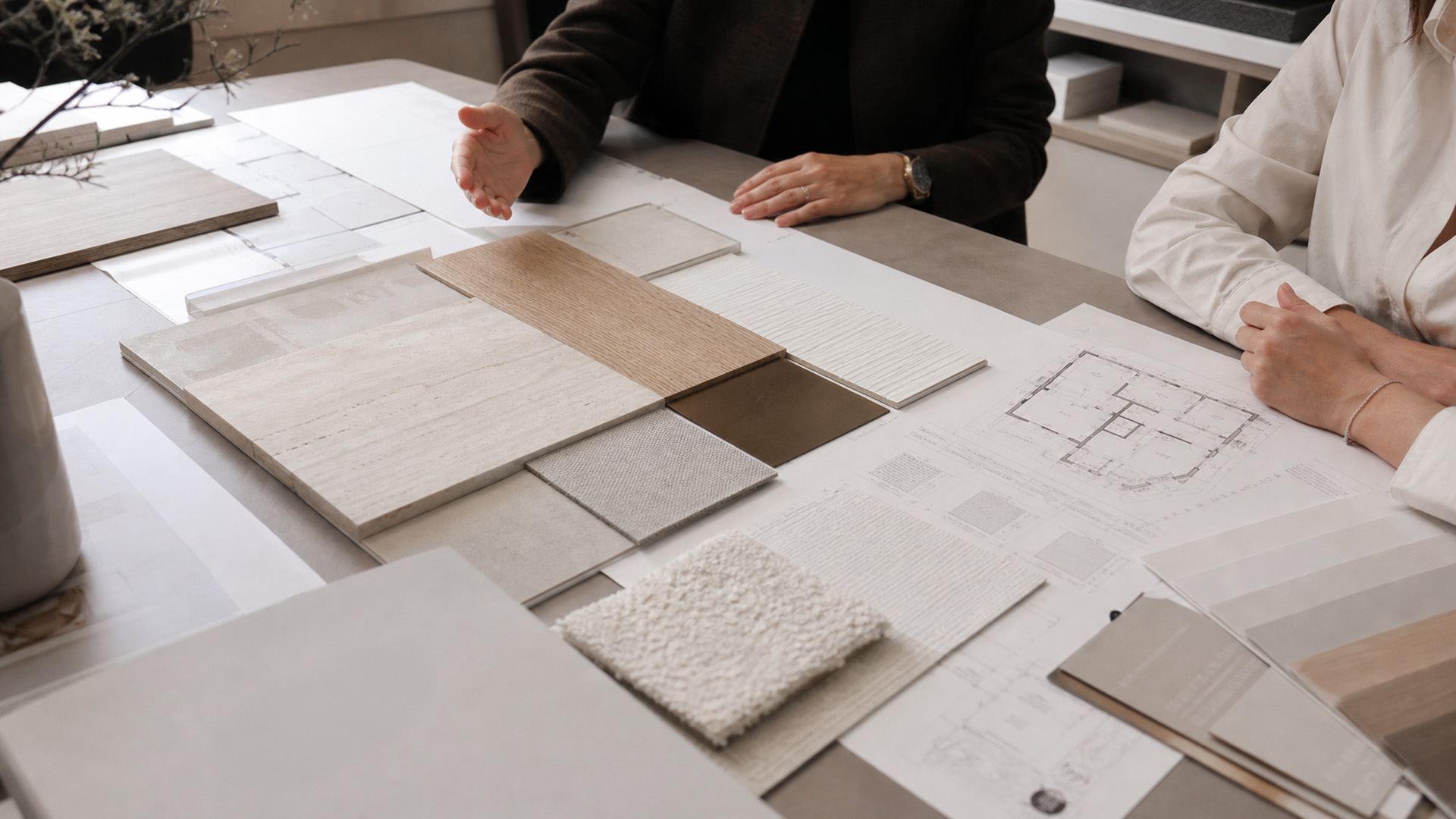
For an important stone surface, view the actual slab where possible. Stand back from it. Look at the whole composition rather than focusing only on one attractive section.
With bespoke timberwork, review a finished sample that includes the intended stain and sheen. It is also worth seeing how the grain will run across the larger piece of joinery. For curtains or upholstery, a generous fabric sample will tell you far more than a small swatch.
Specialist wall finishes deserve a larger mock-up, ideally prepared by the person who will complete the final work. The colour may be right, but the amount of movement or sheen can still differ from what you imagined.
Your designer should guide you through what can be controlled and what belongs to the natural character of the material.
Step 5: Understand Where Craftsmanship Makes the Difference
Many luxury materials are not complete when they leave the supplier. Their quality comes into focus only after they have been cut, joined, matched or applied.
With natural stone, the veins may be arranged to continue from one surface to another. On a kitchen island, this could mean considering the top and sides as one composition rather than separate pieces.
Timber veneer can be laid out so that the grain flows across several cabinet doors. Metalwork may be shaped and finished specifically for one detail. Even curtains rely on careful fabrication to achieve the right fullness and drape.
These decisions may sound highly technical, but you do not need to make them yourself. What matters is seeing how they affect the result.
A simple drawing can show where the main stone veins will appear. A joinery elevation can indicate how timber grain will continue across the panels. A physical sample may be useful for an important stone edge, metal junction or specialist finish.
This is often where the value of a luxury material becomes most apparent, not in the sample itself but in what skilled hands are able to do with it.
Step 6: Know What the Material Really Is
Descriptions such as “brass finish”, “timber finish” and “marble surface” can cover several different products.
A brass finish may be solid brass, a plated metal or a brass-coloured coating. A timber surface could be solid wood, natural veneer or a printed wood effect. A marble-look slab may be an engineered surface rather than natural stone.
This does not mean that engineered or coated materials have no place in a luxury home. They can offer consistency, stability or easier maintenance in areas where those qualities matter. The important thing is to understand what you are approving and why it has been chosen.
If natural character is central to the design, a printed imitation may not provide the same depth. If easy care and colour consistency are more important in a particular area, an engineered option could be the more sensible choice.
Clear descriptions allow you to judge the material on its actual qualities, not on the impression created by its name.
Step 7: Build the Interior Around a Few Strong Choices
Once you have selected the principal materials, the next challenge is knowing when to stop.
Materials with strong movement, depth or individuality can compete when too many are used together, leaving the room feeling visually unsettled.
If a dramatically veined stone is the focus, more restrained timber may give it the space it needs. Where joinery has a rich, noticeable grain, simpler flooring and wall finishes can provide balance. A softly textured plaster wall may not need reflective metalwork competing with it.
This does not mean the rest of the palette should feel plain. Supporting materials can still have beautiful texture and quality. They simply do not all need to announce themselves at once.
A small amount of repetition can then connect different parts of the home. Metal used for a feature screen might return in selected handles. The stone chosen for the kitchen may appear again as a shelf or vanity detail. Timber from the living area could continue into a more restrained, private room.
The effect should feel familiar rather than repetitive.
Step 8: Look at the Materials in the Home
Showroom lighting can be flattering, but it does not tell you exactly how a material will look in your home.
Daylight may draw out a cool undertone in stone that was less obvious indoors. Timber can appear warmer under evening light. Metal reflects nearby colours, while polished surfaces pick up movement from the room around them.
Whenever possible, place the shortlisted materials together in the space where they will be used. Look at them during the day and again under artificial lighting.
This is particularly helpful when several finishes sit within a similar colour range. A pale stone may lean grey while the timber beside it has a yellow undertone. Both can be attractive on their own yet uncomfortable together.
You are not looking for everything to match. You are looking for a relationship that feels natural and balanced.
Step 9: Make Sure the Specification Works in Singapore
A luxury material earns its place when it remains beautiful and practical while supporting a healthier interior long after the first impression.
Singapore’s humidity does not rule out natural stone, timber, metal or specialist finishes. It does, however, affect how they should be constructed, protected and installed.
The questions will depend on the material. Will the selected timber construction remain stable? Is the stone suitable for a bathroom or other wet area? Will the metal develop an attractive patina or show signs of deterioration? Can the textile withstand strong daylight? Is a specialist wall finish appropriate for the existing surface?
When considering materials for Singapore humidity, broad descriptions such as “moisture-resistant” are not enough. Suitability depends on the precise material, where it will be used and how it will be installed.
It is also worth finding out how the finish can be maintained. If damage occurs several years later, can it be repaired or refinished locally? Will a specialist contractor be needed? Could retaining spare stone, tiles or fabric make future repairs easier?
Your design and build team should confirm these requirements and explain how they affect the final specification.
Consider Indoor Air Quality as Part of the Material Selection
The surfaces you see are only part of the specification. Boards, adhesives, sealants, paints and protective coatings are also introduced during a renovation.
When looking for healthy interior materials in Singapore, ask for supporting product information rather than relying only on broad claims such as “eco-friendly” or “non-toxic”.
Low-VOC finishes and adhesives can form part of a high-end material specification without compromising its visual quality. If ENF-grade boards are proposed for carpentry, their documentation should be reviewed together with the adhesives, laminates and coatings used to create the finished joinery.
Indoor air quality should be considered alongside appearance, performance and craftsmanship as part of the complete specification.
Step 10: Approve the Material and the Detail Together
Selecting the material is only the first approval. Before fabrication begins, review how it will be cut, arranged, finished and connected to the surrounding surfaces.
Focus on the decisions that will have the greatest visual effect. For natural stone, this may include the actual slabs, the placement of prominent veins and the profile of exposed edges. For timber joinery, review the finished colour and the way the grain will move across the panels.
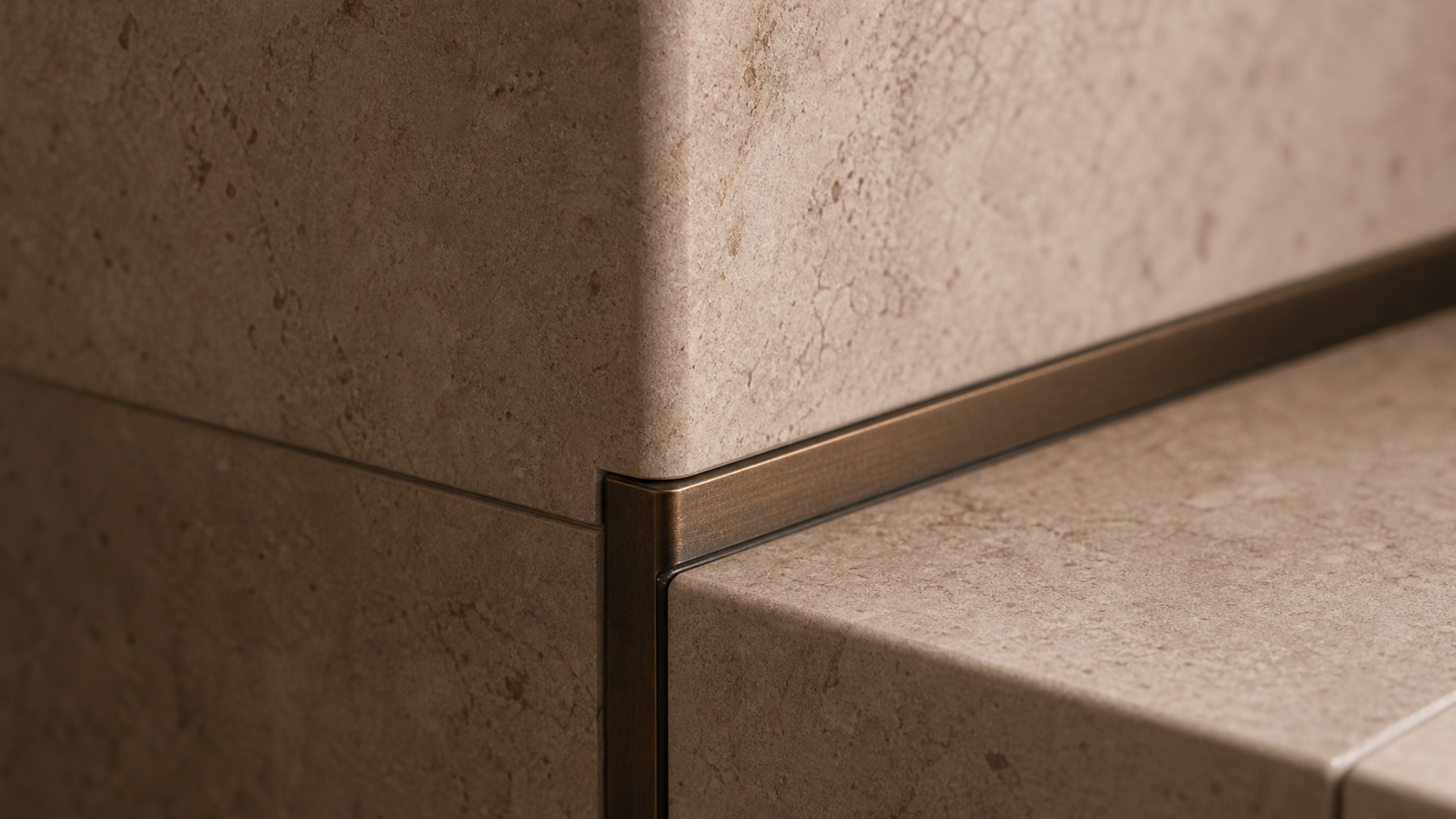
Physical metal samples, larger textile pieces and specialist wall-finish mock-ups are also worth seeing. Where materials meet, ask how the transition will be handled. A beautiful stone can still feel unresolved if its edge or junction with the cabinetry has been treated as an afterthought.
You do not need to review every concealed construction detail. Concentrate on what you will see, touch and live with.
By this stage, you should also understand how the material is expected to age and what care it will require. Natural variation, patina and subtle colour changes may be part of its appeal, but they are easier to appreciate when they have been discussed beforehand.
Choosing Luxury Materials With Confidence
Choosing luxury interior materials for your home is not about filling every room with rare stone, fine timber and custom finishes. It is about selecting a few materials with genuine character and giving them the care they need to be fully expressed.
Start with what luxury means to you. Look beyond prestigious names, see important materials at the right scale and understand where craftsmanship will influence the result. From there, a well-edited palette and careful detailing can bring the choices together.
Whether you are planning a condo renovation or a landed home renovation, you do not need to become a materials expert. You need enough information to understand what you are approving, supported by an experienced luxury interior design and build team that can translate those choices into a coherent, well-executed home.
That is what allows luxury to feel considered rather than displayed.
Book a private consultation with DreamR to explore which materials and design direction would best suit your home.
Frequently Asked Questions
What materials are best for Singapore humidity?
Materials that can perform well in Singapore’s humidity include appropriately specified natural stone, stable engineered timber products, moisture-resistant boards, corrosion-resistant or properly protected metals and breathable mineral finishes. Suitability still depends on the room, substrate and installation method.
Your designer should confirm the expected moisture exposure, substrate, protective treatment, ventilation conditions and maintenance requirements before specifying each material.
Are low-VOC finishes worth using?
Yes. Low-VOC finishes can help limit the volatile organic compounds released by paints, coatings, adhesives and other interior products. They are particularly relevant where extensive carpentry, coatings or adhesives are specified. However, “low-VOC” does not describe the product’s complete emissions profile, so request relevant technical information or recognised certification before making a selection.
What is ENF-grade carpentry?
ENF is the most stringent formaldehyde-emission class under China’s GB/T 39600-2021 standard for certain wood-based panels. ENF-grade boards can contribute to a lower-emission carpentry specification, but the classification applies to the tested board rather than the completed joinery. Adhesives, laminates, edge treatments and coatings should also be reviewed, together with supporting documentation.
Which luxury materials are easiest to maintain?
High-quality porcelain, sintered stone, engineered quartz, coated metals, performance textiles and suitably finished engineered timber generally require less routine maintenance than porous or more delicate alternatives. Their performance still varies by product and application, so cleaning, staining, repair and refinishing requirements should be confirmed before approval.
How should materials be coordinated across a home?
Begin with one principal material in each space, then select supporting finishes with compatible undertones, textures and visual weight. Repeat a small number of materials throughout the home to create continuity without making every room identical. Review stone, timber, metal and textile samples together under the home’s actual lighting before giving final approval.
How to Choose Luxury Interior Materials for Singapore Homes
EXPLORE all blog
CURIOUS WHAT WE CAN DO FOR YOUR SPACE?
Send us a message, and we'll be happy to walk you through it.
START YOUR PROJECT
Renovation starts at $300,000
Get IN TOUCH
Facebook
Instagram
+65 9727 3132
hello@thedreamrproject.com
211 Henderson Road, #02-04 Henderson Industrial Building Singapore 159552
Get IN TOUCH
Message sent!
We’ll circle back to you, meanwhile just sit and dream of your future space.
Oops! Submission encountered a hiccup. Please try again.
Facebook
Instagram
+65 9727 3132
hello@thedreamrproject.com
211 Henderson Road, #02-04 Henderson Industrial Building Singapore 159552


.svg)
.svg)







.svg)