Office Renovation

The New Corporate Culture: How Office Design Shapes Company DNA

BY
DreamR Design Team
|
April 29, 2025
|
 min. read

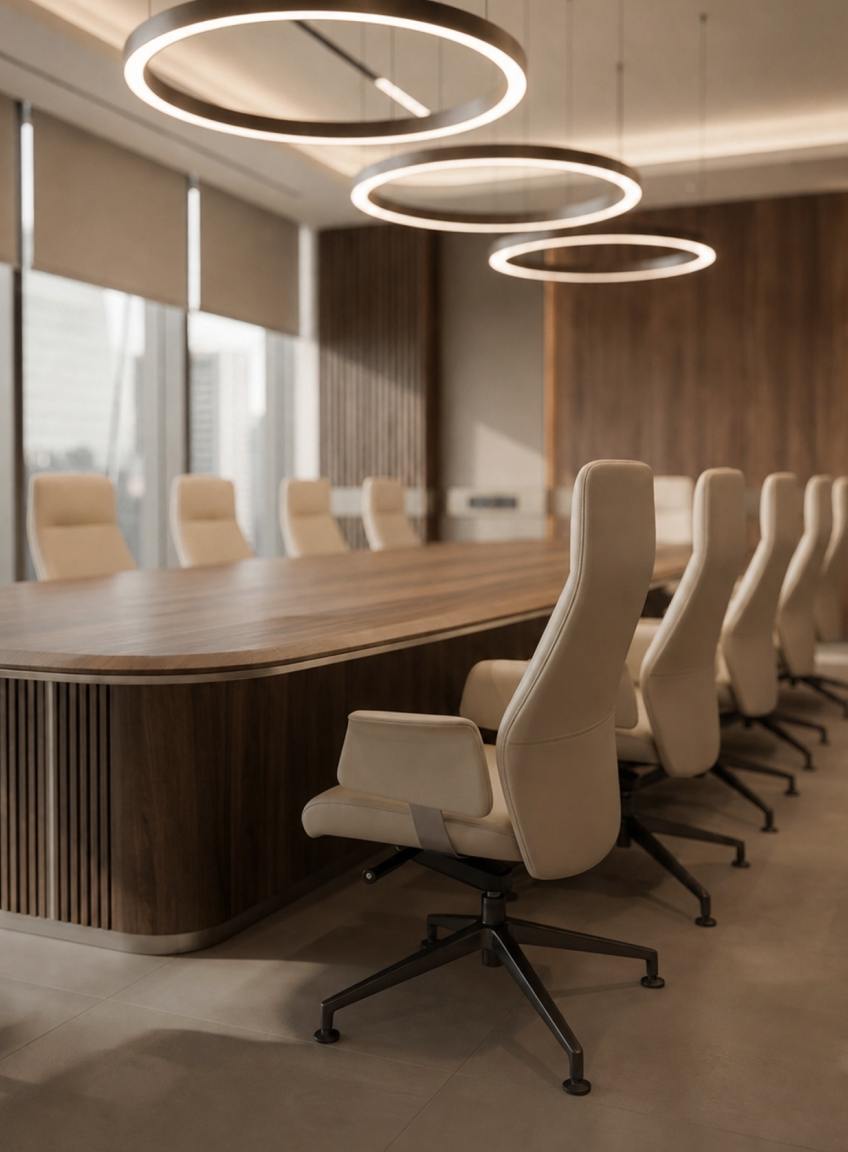
In today’s fast-paced business world, office design is more than just an aesthetic choice—it reflects and reinforces company culture. As businesses adapt to new ways of working, particularly in the wake of the pandemic, the role of office design in shaping corporate culture has never been more significant. A well-designed office fosters a sense of belonging, promotes collaboration, and aligns with company values and goals.

This article explores how office design in Singapore is transforming company cultures, from open-plan offices to flexible workspaces, and how companies can use their physical spaces to shape their identity.

The Link Between Office Design and Company Culture

Corporate culture is defined by shared values, beliefs, and practices. Office design plays a vital role in reinforcing these elements.

Visual Representation of Values

  • Office design can serve as a visual embodiment of a company's mission and values.
  • A tech company may choose a minimalist, high-tech design to emphasize innovation.
  • A sustainability-focused company might opt for eco-friendly materials and biophilic design.

Physical Space as a Cultural Tool

  • Open-plan offices encourage communication, transparency, and teamwork.
  • Private spaces support focused, independent work and deep thinking.
  • The office layout should reflect the behaviors a company wants to promote.

Designing for Employee Engagement and Well-Being

A modern office should do more than provide a workspace—it should support employee engagement, creativity, and well-being.

Creating a Positive Work Environment

  • Aesthetically pleasing, comfortable, and functional workspaces boost employee morale.
  • Natural light, ergonomic furniture, and well-designed communal areas enhance productivity.
  • A well-designed office increases employee satisfaction and retention.

Health and Wellness Integration

  • Standing desks and ergonomic seating improve physical well-being.
  • Quiet zones and relaxation areas support mental health.
  • Fitness centers or wellness rooms encourage a healthier work-life balance.

The Rise of Flexible Workspaces

The shift to remote and hybrid work models has changed how offices are designed, making flexibility a key feature.

Hot Desking and Activity-Based Workspaces

  • Employees choose where to work based on their tasks.
  • Quiet rooms for focus, collaboration zones for teamwork, and lounges for informal meetings.
  • Encourages autonomy and adaptability.

Hybrid and Remote Work Considerations

  • High-quality video conferencing technology for seamless collaboration.
  • Well-equipped meeting rooms to support hybrid teams.
  • Digital collaboration tools integrated into the office space.

Office Design as a Competitive Advantage

A thoughtfully designed office can attract top talent and enhance brand perception.

Attracting Talent

  • A modern, innovative office is a key selling point for job candidates.
  • Employees seek workplaces that align with their values and work styles.
  • A well-designed office can differentiate a company from competitors.

Brand Alignment

  • Office aesthetics should reflect the company’s mission and brand identity.
  • Color schemes, furniture choices, and overall layout should align with corporate values.
  • A strong visual identity in the workspace enhances brand recognition and loyalty.

Shaping the Future of Work Through Office Design

Office design is a strategic tool for shaping company culture, attracting talent, and improving employee engagement.

Reflecting Company Values

  • Office design should embody the company’s core values and work ethic.
  • Spaces should be designed to foster collaboration, innovation, and productivity.

Adapting to Change

  • Flexible layouts support evolving work models and new business needs.
  • Integration of wellness and sustainability trends ensures long-term benefits.

Driving Business Success

  • A well-designed office enhances employee satisfaction and retention.
  • Thoughtful design creates a work environment that supports business growth.

As office renovation trends in Singapore continue to evolve, companies are realizing the impact of design on workplace culture. By embracing flexibility, prioritizing well-being, and aligning physical spaces with company values, businesses can create offices that drive success and shape the future of work.

Ready to renovate?

Let’s get you started with your free and commitment-free consultation.

Let’s talk
Tags
Office
Interior Design
Share
Link copied!
Related articles

How to Use Color Psychology in Office Design

January 16, 2026
|
min. read

Walk into any truly successful office, and you'll immediately sense something different about the energy. The space feels intentional, purposeful—and more often than not, this feeling starts with color.

While most business owners focus on furniture and layout, the colors surrounding your team are quietly influencing everything from productivity levels to creative thinking to stress management. The most effective office color schemes work behind the scenes, creating environments where employees feel energized, focused, and motivated.

Why Color Matters in Your Office

Research shows that color directly impacts how our brains work. Different colors affect our heart rate, attention span, and even our ability to think creatively. This means you can actually use color strategically to support your business goals and help your team perform better.

Blue enhances focus. Red increases energy. Green reduces stress. When you understand these effects, you can create work environments that actively help your team succeed.

Blue: The Focus Enhancer

Blue is proven to enhance concentration and analytical thinking. People perform better on detail-oriented tasks in blue environments, making it one of the most valuable colors for office spaces.

Best for these spaces:

  • Conference rooms where important decisions are made
  • Accounting and finance departments
  • Reception areas to project competence and trust
  • Executive offices to convey authority
  • Any workspace requiring sustained concentration

How to use it: Light blues create calm, focused energy. Navy blues convey authority and trustworthiness. Use blue as accent walls rather than painting entire rooms—too much blue can feel cold or impersonal.

Green: The Stress Reducer

Green is the most versatile office color because it naturally reduces stress while keeping people alert. It's the easiest color for our eyes to process, making it perfect for environments where people spend long hours on computers.

Best for these spaces:

  • Open office areas where stress management is crucial
  • Collaboration zones for calm, productive discussions
  • Break rooms for relaxation and restoration
  • Any area with extensive screen time
  • Spaces where people work long hours

How to use it: Sage and soft greens work beautifully in large areas. Forest greens convey stability and growth. Green works well as both accent colors and larger wall treatments without being overwhelming.

Red: The Energy Activator

Red increases heart rate and creates urgency. It's powerful for spurring action and energy, but it needs to be used carefully because too much can increase stress and even aggression.

Best for these spaces:

  • Break rooms to encourage dynamic interaction
  • Sales departments to energize teams
  • Informal meeting areas for brainstorming
  • Workout or wellness rooms
  • Areas where quick decisions are needed

How to use it: Use red sparingly—in artwork, accent pieces, or single feature walls. Avoid using red in spaces where people need to concentrate for long periods or in high-stress departments.

Yellow: The Creativity Catalyst

Yellow stimulates mental activity and promotes creative thinking. It's excellent for innovation and problem-solving, but bright yellows can cause eye strain if overused.

Best for these spaces:

  • Brainstorming rooms
  • Design studios and creative departments
  • Innovation labs
  • Strategic planning areas
  • Spaces where teams solve complex problems

How to use it: Choose soft, warm yellows like butter cream or pale gold rather than bright sunshine yellow. Use yellow as an accent color in furniture or artwork rather than covering entire walls.

Purple: The Inspiration Generator

Purple stimulates imagination while conveying sophistication. It's associated with creativity, luxury, and innovative thinking.

Best for these spaces:

  • Creative meeting rooms
  • Executive offices for big-picture thinking
  • Design firms and consulting companies
  • Innovation centers
  • Spaces where premium services are discussed

How to use it: Lavender and soft purples create inspiring yet calming environments. Deeper purples convey luxury. Use purple strategically in spaces where creative thinking is important, typically as accent colors.

Orange: The Social Connector

Orange combines energy with optimism, promoting enthusiasm and social interaction. It's particularly valuable for team collaboration and communication.

Best for these spaces:

  • Break rooms and cafeterias
  • Informal meeting areas
  • Team collaboration zones
  • Social spaces and lounges
  • Areas where you want to encourage friendly interaction

How to use it: Orange can be overwhelming in large doses, so use it as an accent color in furniture, artwork, or decorative elements rather than painting entire walls.

Smart Color Combinations

The most sophisticated offices use neutral foundations with strategic color accents:

Neutral Base + Blue Accents: Perfect for professional environments that need to project competence while supporting focused work.

Neutral Base + Green Accents: Ideal for high-stress environments or offices with lots of screen time.

Neutral Base + Multiple Strategic Colors: Use blue in focus areas, green in relaxation zones, and yellow in creative spaces for maximum psychological benefit.

Department-Specific Strategies

Finance & Accounting:

  • Primary: Blue for enhanced focus on detailed work
  • Secondary: Small amounts of green to reduce stress

Creative Teams:

  • Primary: Yellow and purple accents for innovation
  • Secondary: Green for calm focus during detailed work

Sales & Marketing:

  • Primary: Orange and red elements for energy and enthusiasm
  • Secondary: Blue for strategic thinking sessions

Human Resources:

  • Primary: Green and soft blue for approachable professionalism
  • Secondary: Warm neutrals for comfort during sensitive conversations

Practical Implementation Tips

Start Small: Test colors with removable elements like artwork, furniture, or accessories before committing to paint.

Consider Lighting: Colors look different under various lighting conditions. Test samples under your actual office lighting.

Think Cultural Context: In Singapore's multicultural environment, consider how different cultures view colors. Red, for example, is particularly positive in Chinese culture.

Avoid Overwhelming: Use the 60-30-10 rule: 60% neutral base, 30% secondary color, 10% accent color.

Plan for Longevity: Choose colors that align with your long-term brand rather than current trends.

Measuring Success

Pay attention to changes in your team after implementing new colors:

  • Are people more collaborative in green-accented meeting rooms?
  • Do staff seem more energized in areas with warm accents?
  • Are there fewer complaints about eye strain in green-enhanced computer work areas?

Common Mistakes to Avoid

Too Much of One Color: Even positive colors become overwhelming when overused.

Ignoring Function: Don't choose colors just because they look good—consider what work happens in each space.

Following Trends Blindly: Choose colors that support your team's actual work rather than what's currently popular.

Forgetting About Balance: Every color scheme needs neutral areas where eyes can rest.

The Bottom Line

Color psychology in office design isn't about creating rainbow workplaces—it's about making strategic choices that support your team's performance and wellbeing. When done thoughtfully, the right colors can boost productivity, reduce stress, enhance creativity, and even improve employee satisfaction.

The key is understanding what work happens in each space and choosing colors that support those activities. A small investment in strategic color choices can yield significant returns in employee performance and workplace satisfaction.

How to Renovate Your Office to Reflect Your Brand Identity

January 7, 2026
|
min. read

Your office isn't just where work happens—it’s also a visual representation of your brand. Whether you're welcoming clients or fostering a productive environment for employees, every corner of your space should communicate who you are. For businesses in Singapore, where space is often limited and design standards are high, aligning your office renovation with your brand identity isn't just a nice-to-have—it’s a strategic move.

Why Your Office Design Should Reflect Your Brand

First impressions count. A thoughtfully designed office space helps you stand out in a competitive market, attract the right clients, and boost employee morale. Imagine walking into a law firm with beanbags and neon lights—it would likely send mixed signals.

That’s why a professional office renovation expert will take the time to understand your brand’s values, tone, and style before proposing a design plan. Whether you’re running a modern tech startup or an established consulting firm, your office interior renovation should mirror your core identity.

Step 1: Define Your Brand Before You Renovate

Before calling a commercial office renovation team, get clear on your brand personality. Ask yourself:

  • Is your brand more formal or casual?
  • Are you sleek and minimal or warm and welcoming?
  • What colours, textures, or materials are associated with your visual identity?

These answers will guide everything from material selection to space layout. For example, a luxury real estate firm in Singapore might go for polished marble, warm lighting, and deep-toned wood, while a creative agency could lean into exposed ceilings, bold colours, and modular furniture.

Step 2: Incorporate Your Brand Colours and Style Thoughtfully

Using brand colours doesn’t mean painting every wall in your logo shade. It’s about subtle integration—think statement furniture, light fixtures, or accent walls. A good office interior design company will balance aesthetics with functionality so your space doesn’t feel overbranded or distracting.

For companies in Singapore, where office units vary in size and configuration, customisation is key. Work with an office renovation company Singapore that understands both branding and local building requirements.

Step 3: Use Layout to Reflect Your Work Culture

Your office layout speaks volumes about how your company operates. If collaboration is a big part of your brand, open workspaces with shared tables and glass-walled meeting rooms can support that. On the flip side, if your work demands privacy or quiet, dedicated zones or enclosed pods may be more suitable.

Zoning your singapore office interior around your workflow will not only increase productivity but also reinforce what your brand stands for. For example, a consultancy that values deep thinking might design quieter breakout areas or use sound-absorbing materials throughout the space.

Step 4: Align Furniture and Fixtures with Your Identity

From reception counters to boardroom tables, your furniture choices should align with your brand tone. A forward-thinking tech firm might go for height-adjustable desks, ergonomic chairs, and a flexible lounge area, while a corporate law firm might lean into timeless executive desks and leather finishes.

A reputable office interior designer singapore can help you source or custom-build pieces that fit both your branding and the ergonomic needs of your team.

Step 5: Don’t Forget Lighting and Materials

Materials and lighting play a major role in shaping your office’s mood and character. Do you want your space to feel grounded and natural? Consider raw wood, stone, or earth tones. Looking to convey a high-tech edge? Polished metal, sleek finishes, and cooler lighting may suit you better.

Your office interior design company singapore should offer guidance on material selection that enhances your identity without compromising on durability—especially important in Singapore’s humid climate.

Step 6: Weave in Company Culture and Storytelling

The most memorable offices are those that tell a story. Think about ways to showcase your history, achievements, or team spirit. Gallery walls, branded signage, or even a customised mural can be powerful without being overly corporate.

In a renovation office project, these unique touches often become focal points that set you apart from generic commercial spaces.

Step 7: Work with the Right Partner

Executing a brand-aligned office space renovation takes more than just good taste—it requires the right team. Choose an experienced office renovation company that can deliver both visual appeal and technical precision.

In Singapore, strict regulations and limited space can present challenges, so it’s essential to hire a team that understands local guidelines and can work within your budget and timeline.

Ready to Bring Your Brand to Life Through Design?

With years of experience in commercial office renovation projects across Singapore, our team knows how to transform workspaces into brand statements. From planning to execution, we ensure every design choice reflects your identity and supports your operations.

Contact us today for a free consultation to discuss your dream space!

Explore our extensive portfolio of office projects to inspire your next renovation.

How to Incorporate Smart Technology into Your Office Renovation

December 16, 2025
|
min. read

The modern office renovation isn't just about beautiful interiors—it's about creating spaces that actively boost productivity through intelligent technology integration. While aesthetics matter, today's competitive business environment demands workspaces that enable teams to collaborate more effectively, present more compellingly, and work more efficiently.

The smartest office technology investments are the ones employees notice and appreciate immediately: tools that eliminate daily frustrations, enhance presentations, and make collaboration feel effortless. When planning your office renovation, these are the technologies that deliver instant impact and measurable returns.

Interactive Displays That Transform Meetings

Gone are the days of fighting with projectors and tangled cables. Large-format interactive displays have revolutionized how teams collaborate and present. These aren't just big screens—they're digital canvases where ideas come to life.

Touch-enabled displays allow multiple team members to annotate, sketch, and modify presentations in real-time. Imagine brainstorming sessions where everyone can literally draw their ideas on the same screen, or client presentations where you can mark up architectural plans instantly based on feedback.

Wireless screen sharing eliminates the cable chaos that used to plague meeting rooms. Team members can share their laptops, tablets, or phones to the display instantly, making transitions between presenters seamless and professional.

Multi-touch capabilities enable true collaboration—several people can work on the same digital whiteboard simultaneously, perfect for design reviews, strategy sessions, and creative problem-solving.

Smart Whiteboards That Never Run Out of Space

Digital whiteboards have evolved far beyond simple drawing surfaces. Modern smart boards offer infinite canvas space, automatic handwriting recognition, and seamless integration with popular business applications.

These systems can recognize and convert handwritten notes into digital text, making brainstorming sessions immediately searchable and shareable. Drawings and diagrams can be instantly exported to project management tools or shared via email.

Template libraries provide structured frameworks for different meeting types—project planning, SWOT analysis, design thinking sessions—eliminating setup time and ensuring productive discussions.

Cloud integration means whiteboard sessions automatically save to shared drives, so brilliant ideas from Friday afternoon brainstorming are still accessible Monday morning.

Video Conferencing That Actually Works

Poor video conferencing technology undermines remote collaboration and frustrates both in-office and remote team members. Professional-grade solutions eliminate these pain points while creating impressive client experiences.

Auto-framing cameras intelligently track speakers and adjust the view to include all participants, eliminating the need for manual camera operation. This is particularly valuable for Singapore businesses working with international clients and partners.

Noise cancellation and acoustic optimization ensure clear communication even in open office environments. Advanced microphone arrays can isolate voices while suppressing background noise, making remote participants feel truly included.

One-touch meeting start eliminates the technical delays that often plague video calls. Calendar integration automatically loads correct meeting details and connects participants instantly.

Digital Signage for Dynamic Communication

Smart displays throughout the office can transform how information is shared and how visitors experience your space. These systems go far beyond basic announcements to create engaging, informative environments.

Welcome displays in reception areas can automatically show personalized greetings for scheduled visitors, display company achievements, or showcase current projects. This creates professional first impressions while reducing reception desk workload.

Wayfinding displays help visitors and new employees navigate complex office layouts, while directory systems can show real-time room availability and booking information.

Internal communication boards can display company news, project updates, celebration announcements, and important reminders, ensuring everyone stays informed without email overload.

Wireless Presentation Systems

Traditional presentation setups create friction that undermines productivity and professionalism. Wireless systems eliminate cables while adding powerful capabilities that enhance how ideas are shared.

Multiple device connectivity allows seamless switching between presenters using different devices and operating systems. Mac, PC, tablet, or phone—everything connects effortlessly.

Screen splitting enables comparison presentations, showing before-and-after designs side by side, or displaying multiple data sources simultaneously for comprehensive analysis.

Annotation tools allow presenters to mark up any content in real-time, whether it's highlighting important data points, circling key design elements, or adding notes to architectural drawings.

Smart Booking and Room Management

Office space optimization becomes crucial as real estate costs rise. Smart booking systems maximize utilization while eliminating the frustration of phantom bookings and unavailable rooms.

Touch-screen panels outside meeting rooms display real-time availability and allow instant booking for impromptu meetings. QR code integration enables smartphone booking without downloading additional apps.

Automatic room release systems detect when booked rooms are empty and make them available for others, maximizing space utilization in expensive Singapore office markets.

Analytics dashboards show which spaces are most popular, helping inform future renovation decisions and space allocation strategies.

Integrated Audio Solutions

Professional audio systems eliminate the "can you hear me now?" moments that plague many meetings while creating environments conducive to different work activities.

Ceiling-mounted microphone systems capture clear audio from anywhere in the room without requiring participants to pass around handheld microphones or crowd around conference phones.

Zone-based audio control allows different areas to have appropriate sound levels—quiet background music in collaboration areas, clear audio for presentation spaces, silence for focused work zones.

Smartphone integration enables employees to stream background music or take calls through room audio systems, creating more comfortable and productive work environments.

Mobile Device Integration

BYOD (Bring Your Own Device) environments require infrastructure that works seamlessly with personal and company devices while maintaining security and functionality.

Wireless charging stations integrated into desks and meeting tables eliminate cable clutter while ensuring devices stay powered throughout the workday.

Universal connectivity hubs support multiple device types and charging standards, accommodating the diverse technology preferences of modern teams.

Secure guest networks provide client and visitor internet access without compromising company security, essential for Singapore businesses hosting international partners.

Smart Lighting with Purpose

While full climate systems might be overkill, smart lighting provides immediate, noticeable benefits that employees appreciate and clients notice.

Task-specific lighting presets optimize illumination for different activities—bright light for detailed work, softer lighting for creative sessions, presentation lighting for client meetings.

Motion-activated systems in less frequently used areas like storage rooms and copy centers provide convenience while reducing energy costs.

Circadian lighting in key areas can boost alertness during important work periods and create more comfortable environments for extended meetings.

Implementation Strategy for Maximum Impact

The key to successful smart technology integration during renovation is prioritizing solutions that solve real problems your team faces daily. Start with the technologies that will be used most frequently and provide the most obvious benefits.

Plan technology integration during the design phase to ensure adequate power, networking, and mounting solutions. Hiding cables and ensuring clean installations requires coordination between technology and renovation teams.

Consider user training and change management to ensure new technologies enhance rather than complicate daily workflows. The best systems feel intuitive, but brief training sessions can unlock advanced features that provide additional value.

Return on Smart Technology Investment

Smart office technology typically pays for itself through improved productivity, enhanced client impressions, and reduced operational friction. Eliminating daily technology frustrations allows teams to focus on valuable work rather than troubleshooting equipment.

Professional presentation capabilities can directly impact client relationships and business development, particularly important for Singapore companies competing in international markets.

Space optimization through smart booking and management systems maximizes expensive real estate investments while improving employee satisfaction with available resources.

Future-Ready Technology Choices

Choose systems that can grow and evolve with your business needs. Cloud-based solutions provide access to continuous updates and new features without major infrastructure changes.

Open standards and platform-agnostic solutions enable integration of best-of-breed tools while preventing vendor lock-in situations that could limit future flexibility.

The goal is creating an office environment where technology enhances human capability and collaboration rather than creating additional complexity or distraction.

Free design consultation

Get
in touch

Facebook
Instagram
+65 9727 3132
hello@thedreamrproject.com
243 Alexandra Road, #02-01/02,BS Centre, Singapore 159932
Feel free to contact us directly or send a message by filling out the form.
Required fields are marked with an asterisk (*)
Renovation starts from $300,000

Message sent!

We’ll circle back to you, meanwhile just sit and dream of your future space.
Oops! Submission encountered a hiccup. Please try again.
Facebook
Instagram
243 Alexandra Road, #02-01/02,BS Centre, Singapore 159932
Copyright 2025 © - Dreamr

Start your bespoke renovation journey

Consult with us, for free,
to experience:
Expert interior designers
Committed project manager
Sustainable non-toxic materials
Transparent pricing

Facebook

Instagram

Pinterest

Required fields are marked with an asterisk (*)
Renovation starts from $300,000

Message sent!

We’ll circle back to you, meanwhile just sit and dream of your future space.
Oops! Submission encountered a hiccup. Please try again.
or
Chat on Whatsapp

Facebook

Instagram

Pinterest